
Lawn Aeration and Overseeding Chattanooga | 5-Star Lawn Growth
Healthy lawns need open soil and fresh grass plants to stay thick and green. Compacted ground and thin turf create most common lawn problems. University extension services like University of Maryland Extension and Purdue Extension teach this approach. You save money and protect the environment when you focus on soil health and density first. Look for early signs of compaction or thinning instead of waiting for bare spots. Act only when the lawn shows clear need. This guide shows you how to restore your turf with simple, proven steps. Follow these methods and your lawn grows thicker and stronger year after year.
Why Aeration and Overseeding Matter
Strong cultural practices form the first line of defense against thin, weak turf. Core aeration opens the soil so air, water, and nutrients reach the roots. Overseeding fills thin areas with new grass plants that thicken the canopy. University experts agree that dense, well-aerated turf fights weeds, drought, and wear without constant chemicals. Focus on relieving compaction and building density every season. This approach lowers the need for extra water and fertilizer and saves time long term.
Lawn Aeration and Overseeding Chattanooga
Signs You Need It and How It Works
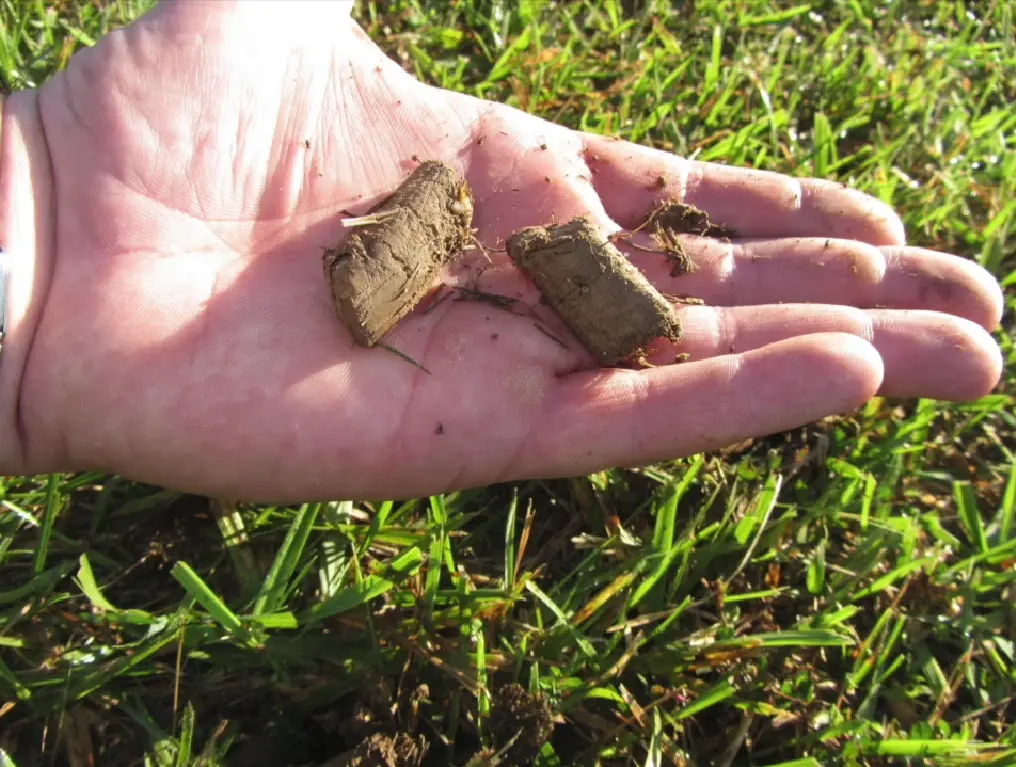
Soil compaction ranks among the top reasons lawns decline in high-traffic areas. Heavy foot traffic, clay soils, and repeated mowing press soil particles together. Roots struggle for oxygen and water. The grass turns thin, yellow, or slow-growing in irregular patches. You can test compaction by pushing a screwdriver into the soil; hard resistance signals the need for aeration. Core aeration removes small plugs of soil to create channels. Treat when the soil feels hard and the lawn shows thinning. University of Maryland Extension and Purdue Extension both recommend aerating cool-season lawns in fall and warm-season lawns in late spring to early summer. Leave the plugs on the surface; they break down and return nutrients.


Overseeding
When and Why to Add New Grass
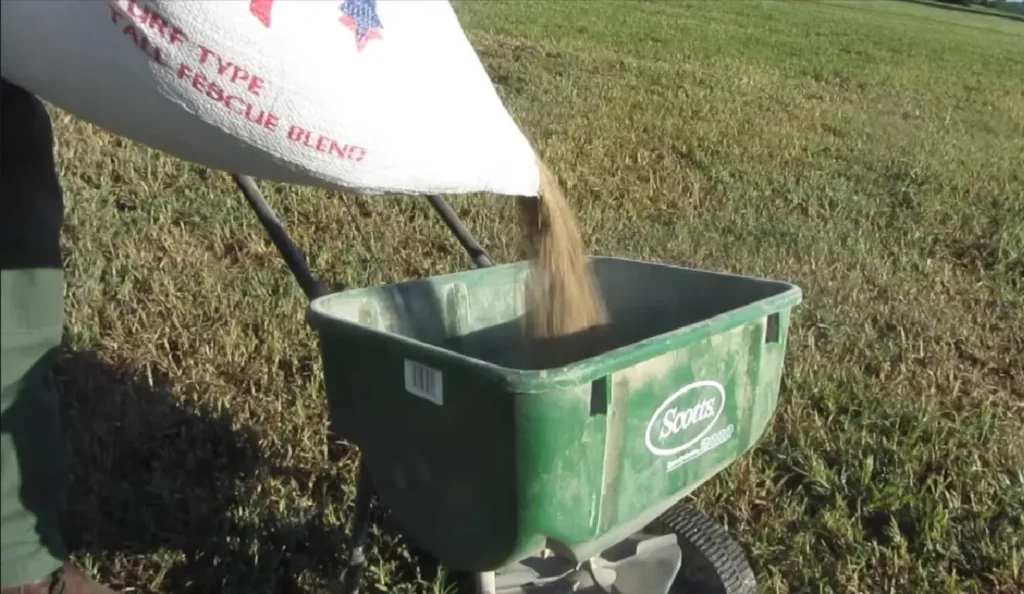
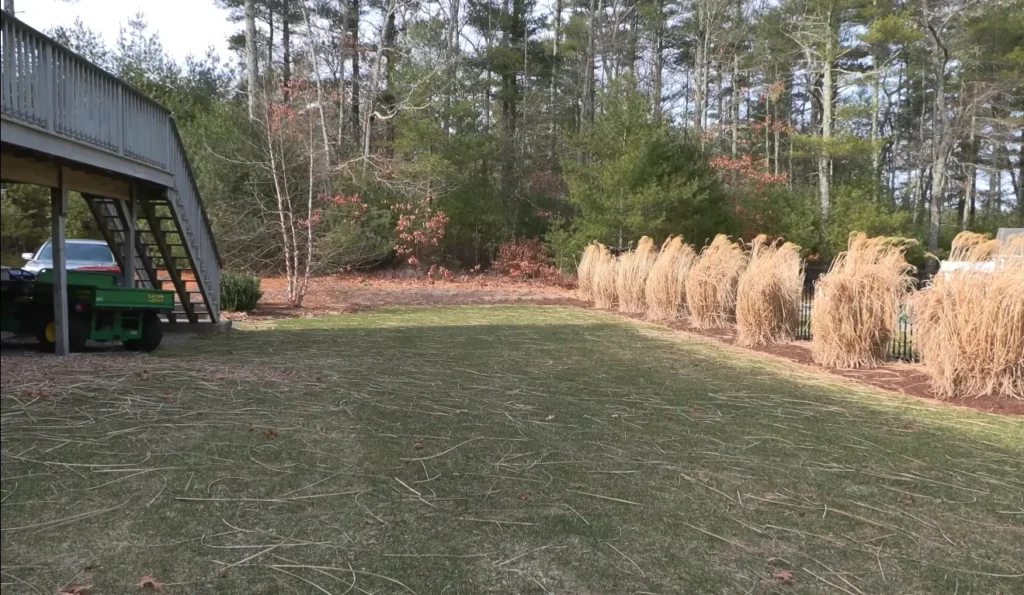
Overseeding restores density when existing grass thins from wear, disease, or age. New seedlings fill gaps and crowd out weeds. Damage often starts in high-traffic zones or shaded areas. Grass first looks sparse then develops bare patches. Cool-season lawns benefit most from fall overseeding. Check for thin spots by looking down from a standing position. You can also measure density by counting tillers in a square foot. Lawn Aeration and Overseeding Chattanooga, when you see more than 30–40 percent open soil or when the lawn fails to recover after stress. Choose quality seed matched to your grass type and sunlight conditions. Proper seed-to-soil contact after aeration greatly improves success.

Combining Aeration and Overseeding for Best Results
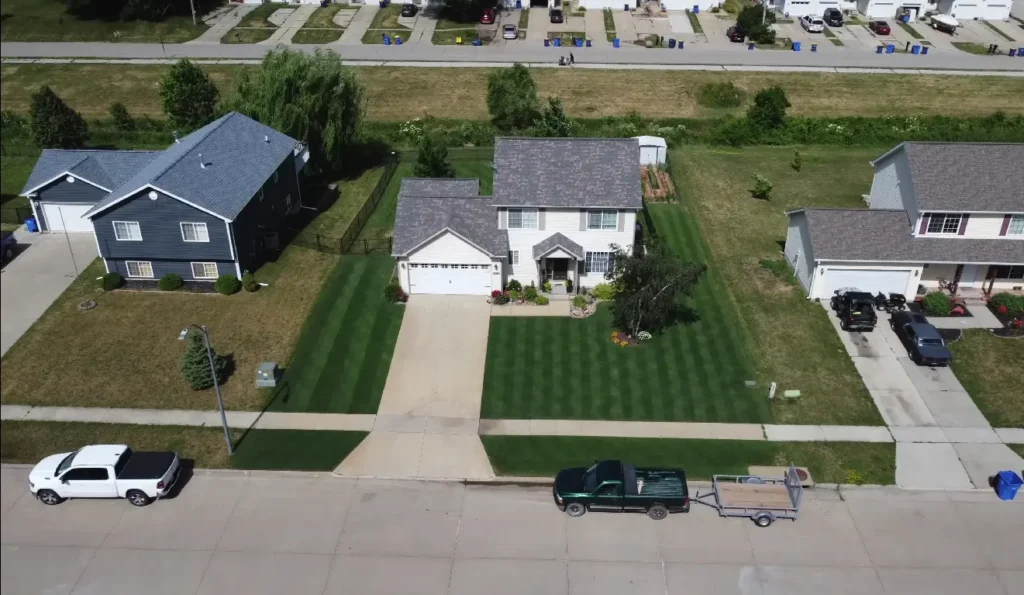
Aerating before overseeding creates the ideal seedbed. The open holes give new seeds direct contact with moist soil. Irregular thin areas fill faster when both practices happen together. Look for the combination of hard soil and sparse grass. These steps prefer active growing seasons rather than extreme heat or cold. Raise the mowing height slightly after overseeding and keep the surface moist until seedlings establish. Spot overseeding works better than blanket seeding in mildly thin lawns. Healthy turf recovers density once roots and new plants take hold.
Common Situations That Call for These Services
Heavy clay soil creates tight ground that resists root growth. The problem worsens with repeated traffic and limited organic matter. Tall fescue and Kentucky bluegrass show clear benefit from regular aeration. You may see surface water pooling after rain as an early clue. Avoid heavy equipment on wet soil. Water early and deep after aeration so roots grow downward. University of Maryland Extension notes that most home lawns improve dramatically with one solid aeration and overseeding cycle followed by good care.Heavy clay soil creates tight ground that resists root growth. The problem worsens with repeated traffic and limited organic matter. Tall fescue and Kentucky bluegrass show clear benefit from regular aeration. You may see surface water pooling after rain as an early clue. Avoid heavy equipment on wet soil. Water early and deep after aeration so roots grow downward. University of Maryland Extension notes that most home lawns improve dramatically with one solid aeration and overseeding cycle followed by good care.

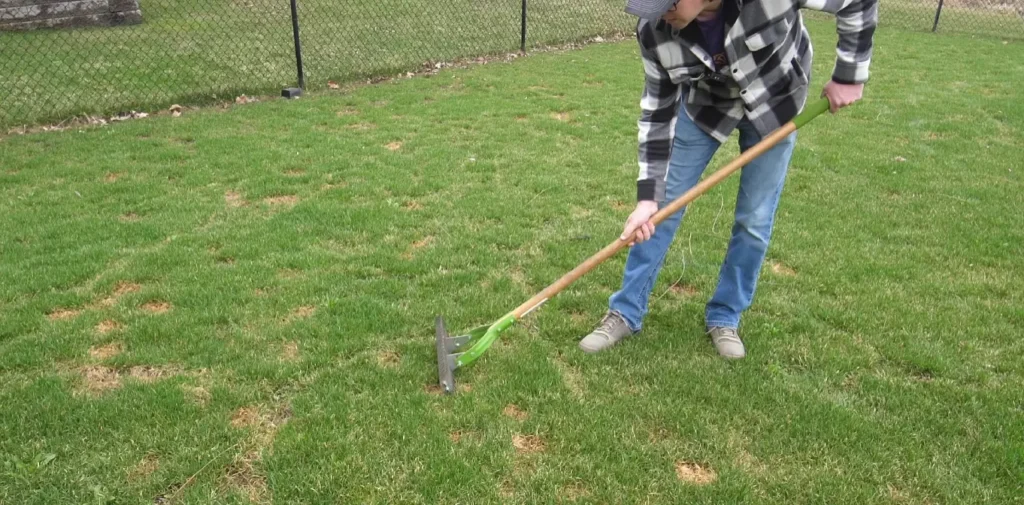
Quick Identification Table for Common Needs
| Problem | Key Signs | Best Season | First Action |
|---|---|---|---|
| Soil Compaction | Hard ground, thin growth, pooling | Fall or late spring | Screwdriver test & core aerate |
| Thin Turf | Sparse grass, visible soil | Fall (cool-season) | Count open soil & overseed |
| High Traffic Wear | Bare paths, slow recovery | Active growth | Aerate then overseed damaged zones |
| Poor Seed Contact | Failed past seeding attempts | After aeration | Core aerate before spreading seed |
| Slow Root Growth | Yellowing, shallow roots | Proper season | Aerate & water deeply |
Use this table to match symptoms quickly. Confirm the need before you schedule work. Wrong timing wastes seed and effort.
Mowing for Successful Aeration and Overseeding
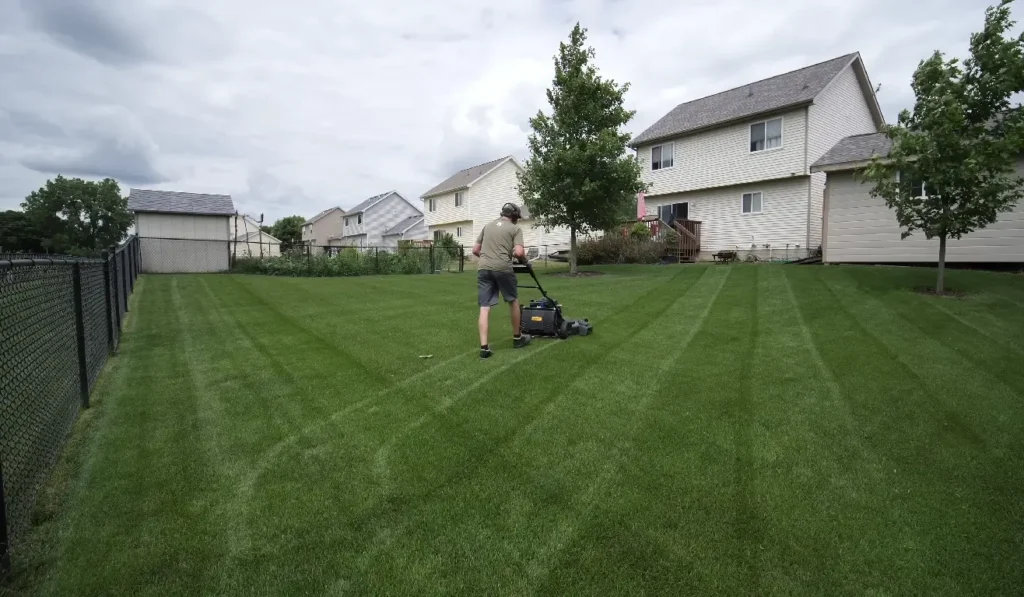
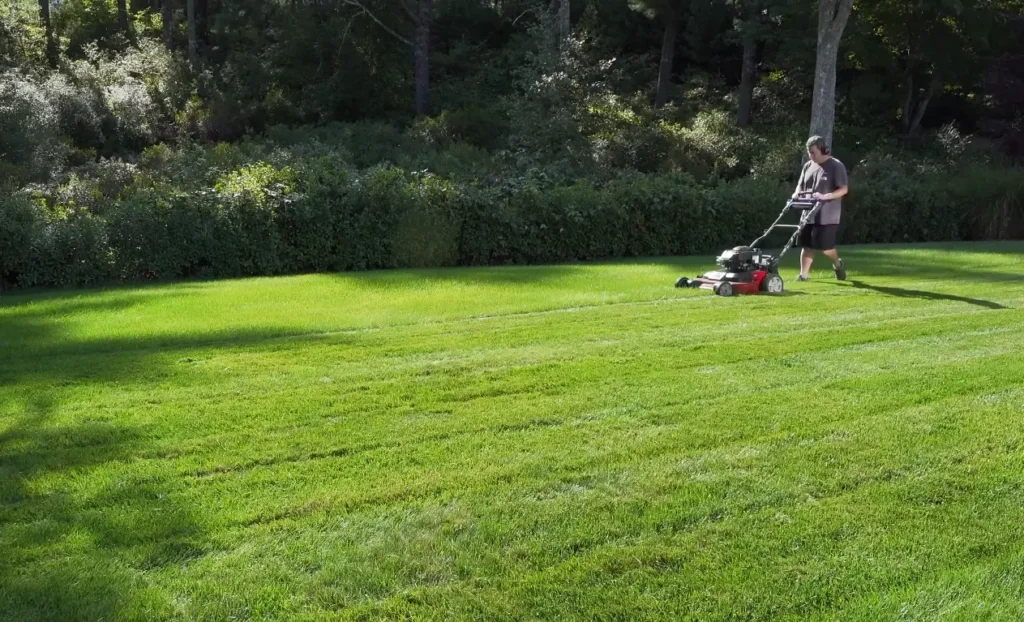
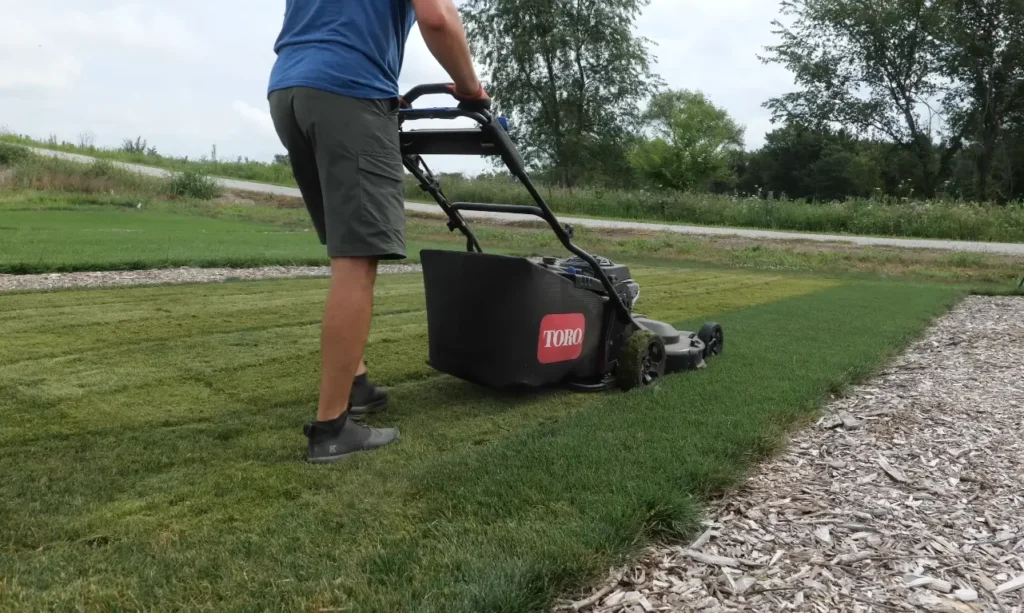
Proper mowing supports strong recovery after these services. Keep the blade sharp and never cut more than one-third of the height. Raise the cutting height slightly while new seedlings establish. Taller grass shades the soil and protects young plants. Return clippings once the new grass reaches mowing height to recycle nutrients. Mow only when the grass is dry. Wet mowing can pull up tender seedlings and spread stress across the lawn.
Smart Watering Habits After Aeration and Overseeding
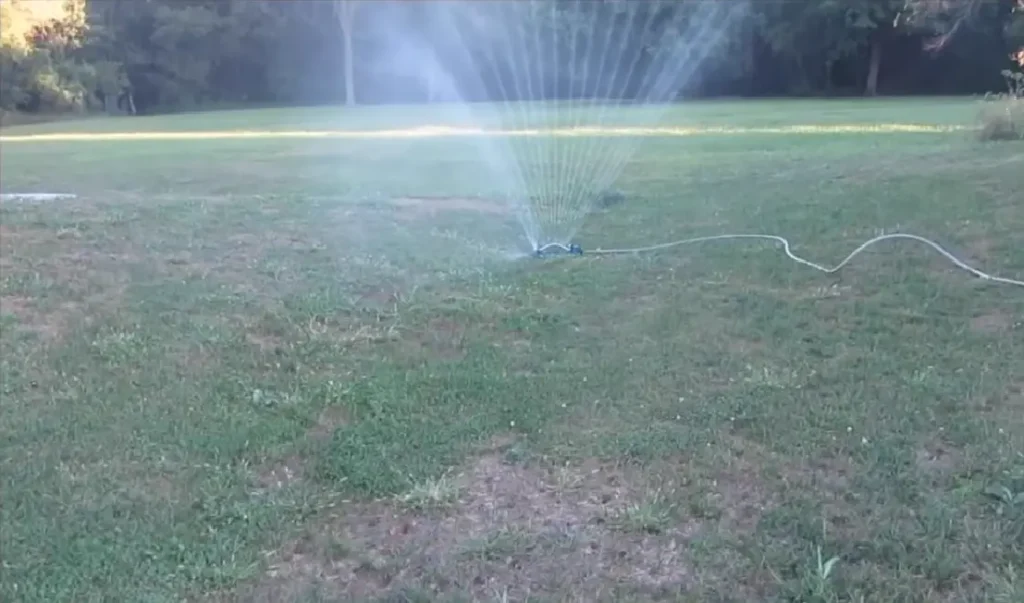
Water deeply and frequently at first to keep the seedbed moist. Give light, frequent water until seedlings emerge, then shift to deeper, less frequent cycles. Water early in the morning so the surface dries during the day. Shallow daily watering after establishment creates weak roots. Check soil moisture with a screwdriver before you turn on the sprinkler. Good watering habits help new roots grow deep and reduce future compaction risk.
Reduce Thatch and Compaction Long Term
Reduce thatch and soil compaction every year. Core aerate in the proper season for your grass type. Thatch thicker than half an inch limits water and air movement. Compacted soil holds too much moisture in some spots and too little in others. Healthy soil supports beneficial microbes and stronger root systems that keep the lawn dense naturally.
How to Confirm the Need
Thin or hard lawns can come from many causes. Drought, low fertility, shade, and traffic all look similar. Dig into the soil and examine the roots and soil structure. Look for hard layers, limited root depth, or sparse tillers. Take clear photos and note recent weather and care practices. Local extension offices often help with free or low-cost advice. Correct timing and diagnosis prevent wasted seed and further thinning.


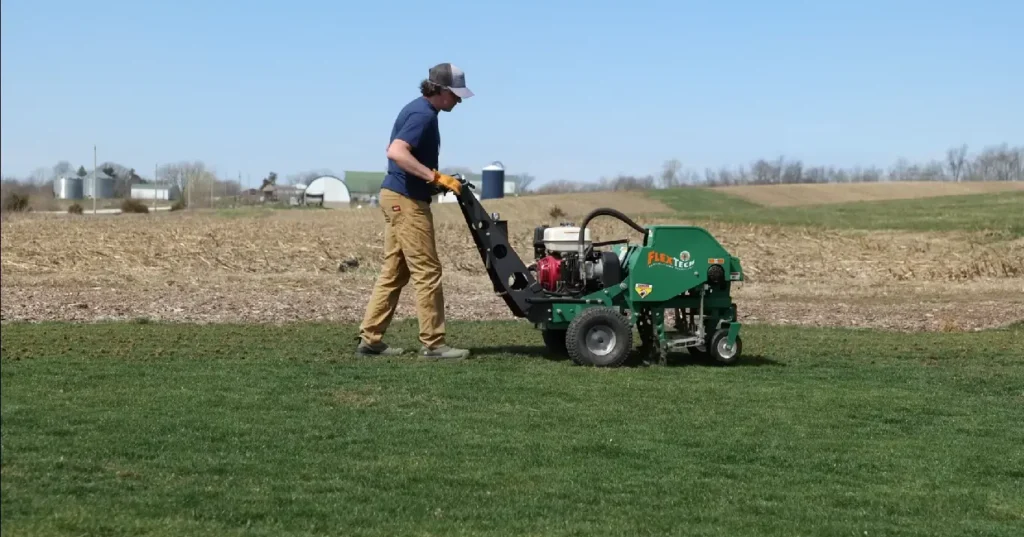
Treatment Steps That Work
Start with cultural fixes before any extra products. Raise the mower, adjust watering, and improve fertility. Many mildly thin lawns improve once compaction leaves and new plants fill in. Spot-aerate and overseed only the damaged zones when needed. Choose quality seed labeled for your region and follow the seeding rate exactly. Water the seedbed according to the label and keep traffic off until established.Beneficial soil life and proper timing provide natural improvement options. Earthworms and microbes thrive in aerated soil. Lawn Aeration and Overseeding Chattanooga avoid heavy thatch layers that block their activity. Resistant or improved grass varieties reduce future thinning. Choose endophyte-enhanced or regionally adapted seed when you overseed. Strong cultural practices remain the foundation of long-term density.
When to Call a Professional
Large lawns, severe compaction, or repeated thinning may need a licensed professional. Some aeration equipment and seeding methods work better at commercial scale that homeowners cannot match. Professionals can identify soil layers and apply targeted topdressing. Ask for Integrated Pest Management-style approaches that limit unnecessary inputs. Keep records of what you tried so the specialist understands the history. Most lawns improve with one well-timed aeration and overseeding cycle and rarely need repeated heavy work.
Build a Stronger Lawn Over Time
A dense, well-aerated lawn crowds out weeds and resists stress. Follow seasonal care for mowing, watering, and feeding. Test soil every few years and correct pH or nutrient gaps. Overseed thin areas in the right season for your grass type. Watch the lawn weekly during peak growth periods. Quick action on small thin spots keeps damage limited. Consistent good habits create a lawn that stays thick and resilient with less effort over time.