
Lawn Mowing in Chattanooga, TN
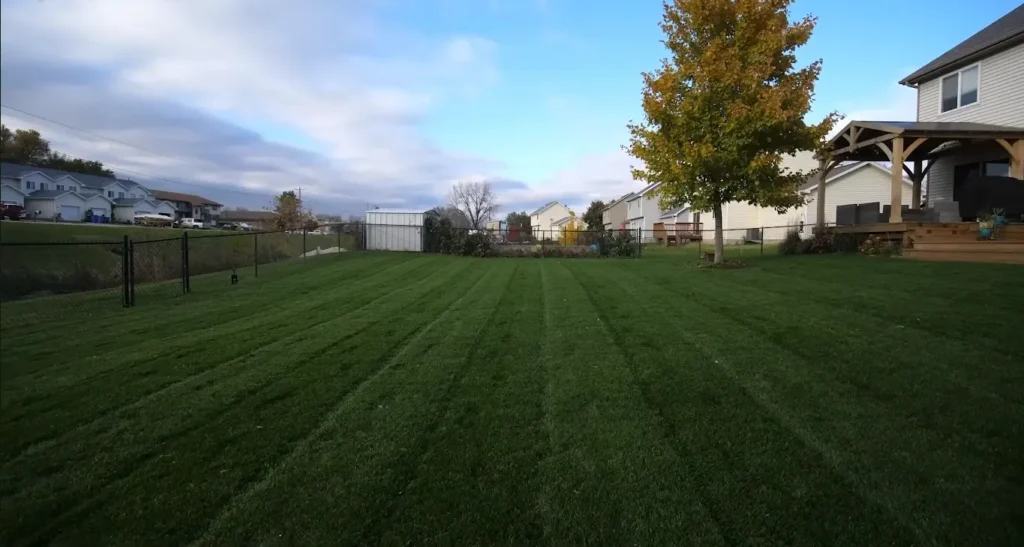

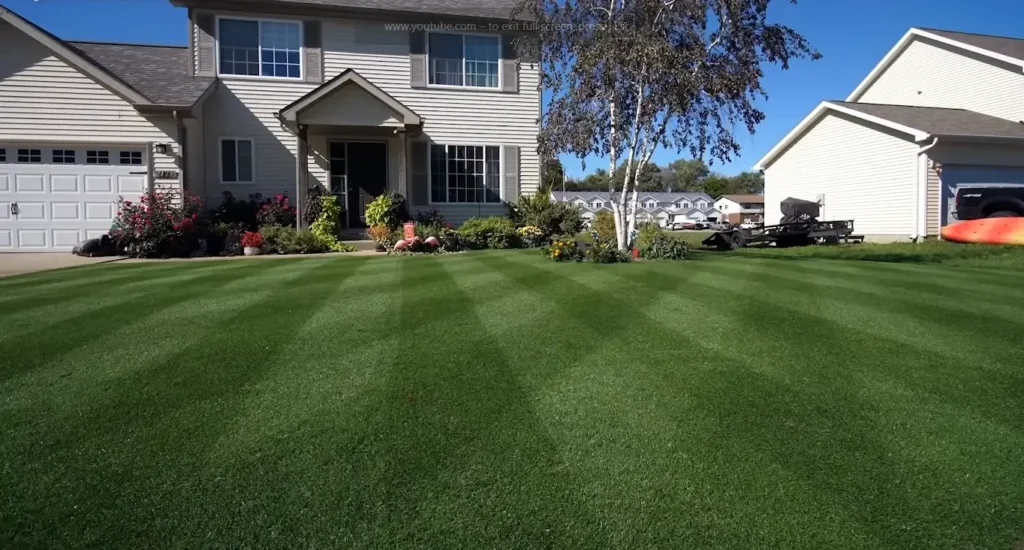
Healthy lawns stay thick and resilient when mowed and maintained correctly. Consistent care builds density and strong roots that resist stress. University extension services like University of Maryland Extension and Purdue Extension teach this approach. You save money and protect the environment when you focus on proper technique first.Lawn Mowing in Chattanooga look for early signs of poor growth or uneven appearance instead of waiting for thin or damaged turf. Act only when you confirm the real need. This guide shows you how to mow and maintain your lawn with simple, proven steps. Follow these methods and your lawn stays cleaner, denser, and greener year after year.
Why Proper Lawn Mowing in Chattanooga Beats Neglect
Strong cultural practices form the first line of defense against weak or uneven turf. Correct mowing height, frequency, and blade sharpness reduce stress on the grass. Poor technique creates open soil, weak roots, and invitations for weeds and disease. University experts agree that consistent, well-timed maintenance grows healthier lawns with less effort. Focus on the one-third rule and seasonal adjustments every season. This approach lowers the need for extra repairs and saves time long term.
Proper Mowing Height and Frequency
Mowing height ranks among the most important factors for lawn health. Cool-season grasses generally perform best at 3 to 4 inches during the growing season. Warm-season grasses prefer slightly lower heights depending on the species. Cutting too short stresses the plant and exposes soil. You can check height by measuring the grass after mowing. Raise the deck in summer heat for cool-season lawns and follow the one-third rule at every cut. University of Maryland Extension and Purdue Extension both recommend never removing more than one-third of the leaf blade in a single mowing. Regular frequency keeps the lawn dense and reduces shock.

Blade Care and Mowing Technique
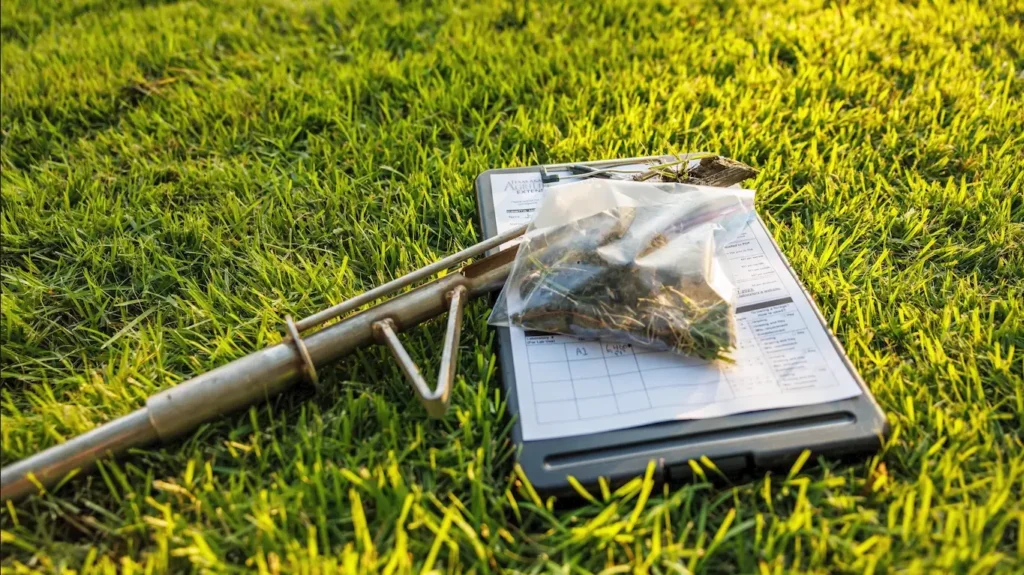
Sharp blades make clean cuts that heal quickly and keep the lawn looking neat. Dull blades tear the grass and create ragged tips that turn brown. Damage appears as a grayish or whitish cast across the lawn after mowing. Check the blade regularly and sharpen or replace it as needed. Mow in alternating patterns to avoid ruts and soil compaction. These practices prefer dry grass rather than wet conditions. Overlapping each pass slightly ensures an even cut. Healthy technique helps the turf recover faster and maintain a uniform appearance.


Seasonal Maintenance Adjustments
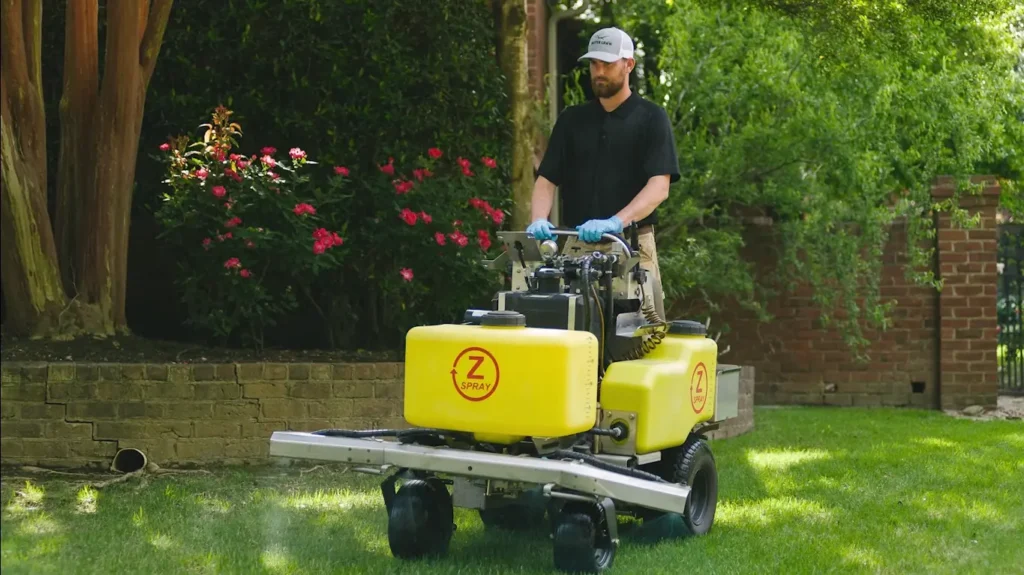
Seasonal changes require different mowing and care routines. Spring growth demands more frequent cuts as the grass wakes up. Summer heat calls for higher cutting heights and careful timing. Fall is ideal for lowering height slightly on cool-season lawns before winter. Look for slower growth or color changes that signal the need to adjust. These adjustments prefer active growing periods rather than extreme weather. Keep the mower deck clean and the underside free of buildup. Consistent seasonal care supports stronger roots and better density through the year.


Common Mowing and Maintenance Problems
Scalping creates bare or brown patches where the mower cuts too low. The problem worsens on uneven ground or when the deck is set incorrectly. Tall fescue and Kentucky bluegrass show clear damage when scalped repeatedly. You may see the lawn thin in high spots first. Avoid cutting wet grass or mowing during extreme heat. Water after recovery begins so new growth can fill in. University of Maryland Extension notes that most home lawns improve quickly once height and frequency return to proper levels.Uneven cuts and thatch buildup appear when blades are dull or mowing patterns stay the same. Ragged leaf tips and a spongy feel underfoot signal these issues. Low maintenance frequency and heavy clippings favor surface buildup. A light correction by sharpening blades and alternating directions helps the grass recover. Mow only when the grass is dry. Reduce thatch through proper height and occasional aeration. Most lawns regain a clean, even look once technique improves and cultural care stays consistent.


Quick Identification Table for Common Problems
| Problem | Key Signs | Best Season | First Action |
|---|---|---|---|
| Scalping | Brown patches, exposed soil | Any active growth | Raise deck & follow one-third rule |
| Dull Blade Damage | Ragged, brown leaf tips | Ongoing | Sharpen or replace blade |
| Uneven Appearance | Stripes, missed spots, ruts | Growing season | Alternate patterns & overlap passes |
| Excess Thatch | Spongy feel, poor water penetration | Proper aeration time | Raise height & core aerate if needed |
| Infrequent Mowing | Long grass, shock after cutting | Peak growth periods | Increase frequency & cut gradually |
Use this table to match symptoms quickly. Confirm the cause before you change settings. Wrong adjustments waste time and stress the lawn further.
Mowing for Long-Term Resistance
Proper mowing itself builds resistance to many lawn problems. Keep the blade sharp and never cut more than one-third of the height. Raise the cutting height in summer for cool-season grass. Taller grass shades the soil and develops stronger roots. Return clippings to recycle nutrients when they are short and dry. Mow only when the grass is dry. Wet mowing spreads stress and can damage the turf surface.
Smart Watering Habits
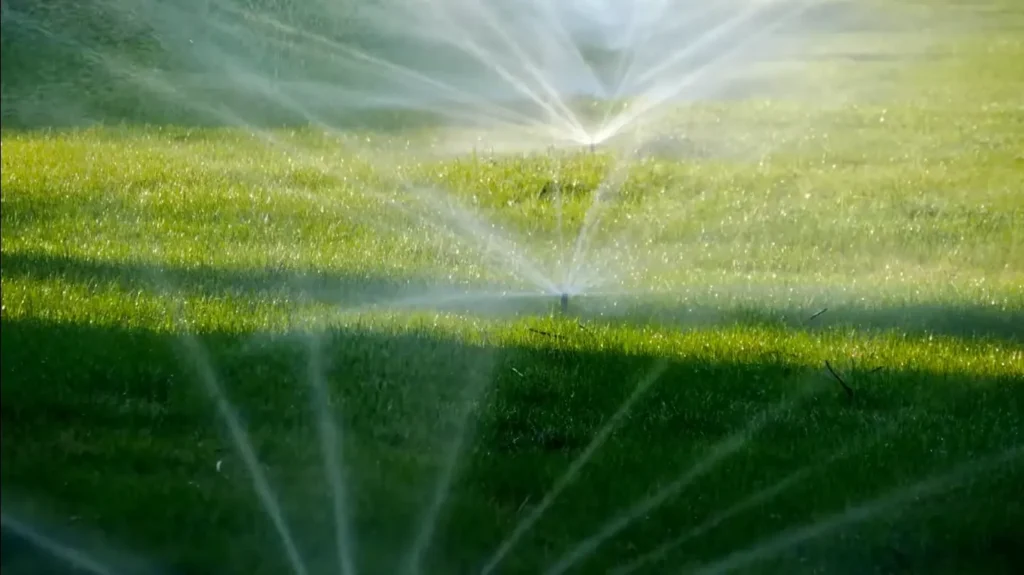
Water deeply and infrequently to support strong growth between mowings. Give the lawn about one inch of water each week including rain. Water early in the morning so the surface dries before the next cut. Shallow daily watering creates weak roots that suffer more from mowing stress. Check soil moisture with a screwdriver before you turn on the sprinkler. Good watering habits help the lawn recover quickly after each mowing.
Fertilizer Timing Matters
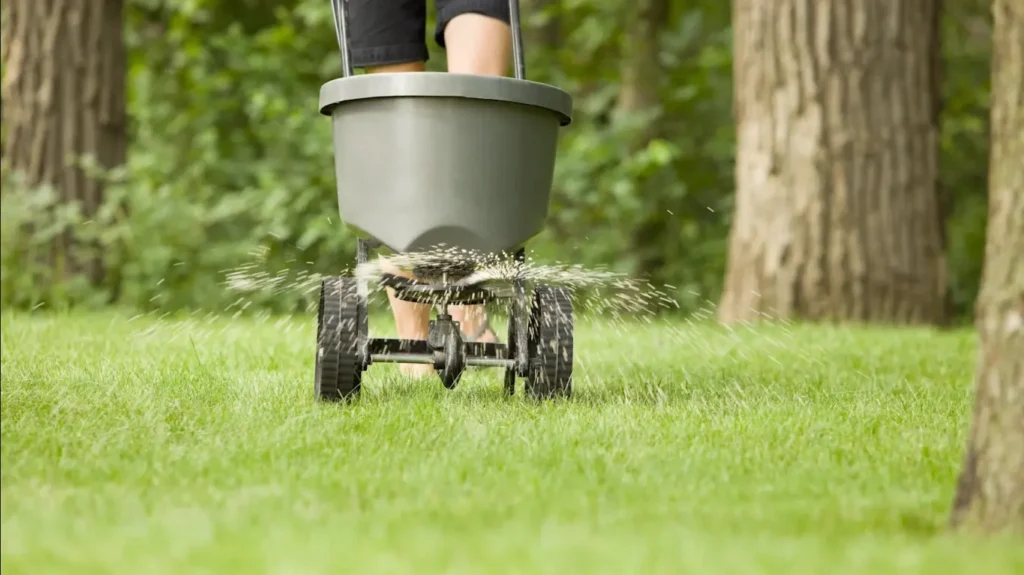
Fertilize according to soil test results and grass type. Cool-season lawns need most nitrogen in fall. Warm-season lawns prefer feeding during active summer growth. Skip heavy nitrogen right before periods of frequent mowing in extreme heat. Excess nitrogen can produce soft growth that is harder to cut cleanly. Balanced fertility helps grass maintain density and color with regular maintenance.
Reduce Thatch and Compaction
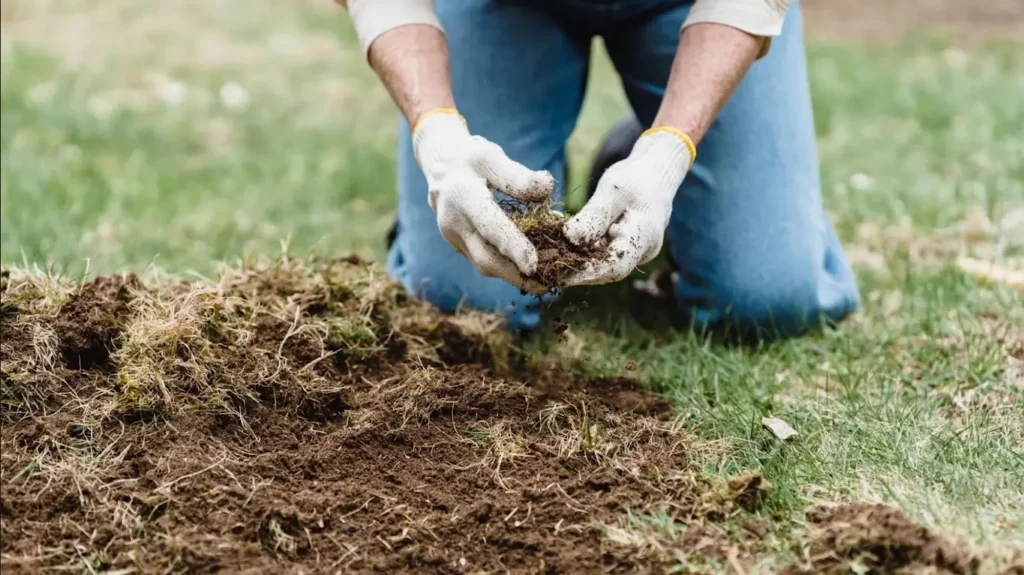
Reduce thatch and soil compaction every year. Core aerate in the proper season for your grass type. Thatch thicker than half an inch makes mowing uneven and weakens the turf. Compacted soil creates high and low spots that lead to scalping. Healthy soil supports even growth and makes routine mowing more effective.

Treatment Steps That Work
Start with cultural fixes before any major changes. Lawn Mowing in Chattanooga raise the mower deck, sharpen the blade, and adjust frequency. Many mild appearance issues improve once technique returns to proper standards. Spot-correct only the damaged zones when scalping or uneven growth appears. Choose the right height for your grass type and follow the one-third rule exactly. Clean the mower after each use to keep cuts consistent.
Regular blade maintenance and pattern changes provide natural improvement. Alternating directions reduces compaction and improves appearance. Avoid mowing wet grass whenever possible. Choose the correct deck height for the season and grass species. Strong cultural practices remain the foundation of long-term lawn quality.
When to Call a Professional
Large lawns, severe unevenness, or repeated maintenance problems may need a licensed professional. Some commercial mowers and maintenance programs deliver more consistent results than home equipment. Professionals can identify underlying soil issues and apply targeted corrections. Ask for Integrated Pest Management-style approaches that limit unnecessary inputs. Keep records of what you tried so the specialist understands the history. Most lawns improve with better technique and care and rarely need repeated heavy intervention.
Build a Stronger Lawn Over Time
A well-mowed and maintained lawn stays dense and resists stress. Follow seasonal care for height, frequency, and blade sharpness. Test soil every few years and correct pH or nutrient gaps. Overseed thin areas in the right season for your grass type. Watch the lawn weekly during peak growth periods. Quick action on early signs of poor cuts or uneven growth keeps problems limited. Consistent good habits create a lawn that stays neat, thick, and healthy with less effort over time.