
Seasonal Lawn Care Chattanooga, TN

A healthy lawn needs the right care at the right time. Cool-season grasses grow best in spring and fall. Warm-season grasses thrive in summer heat. Match your work to the season and grass type. This creates thicker turf, fewer weeds, and stronger roots. University extension services such as University of Minnesota Extension, Purdue Extension, and University of Maryland Extension base these steps on soil science and local weather. Seasonal lawn care Chattanooga helps your grass stay healthy through changing weather condition.
Know Your Grass Type Before You Start
Cool-season grasses include Kentucky bluegrass, tall fescue, and perennial ryegrass. They prefer air temperatures of 60°F to 75°F. These grasses stay green longer in cooler climates. They grow actively in spring and fall. In summer heat they slow down or go dormant.
Warm-season grasses such as Bermuda, zoysia, and St. Augustine grow best at 80°F to 95°F. They love hot summers. They turn brown and rest in winter cold. Southern lawns often feature these types.
Look at your lawn in midsummer. The main grass type guides every task. Mixed lawns follow the dominant type. Check leaf width and growth pattern. Fine leaves often point to fescue or bluegrass. Coarser blades may signal Bermuda or zoysia.


Summer Lawn Care
Clean Up and Restart Growth
Spring wakes the lawn from winter rest. Start work only when the soil dries enough to walk without sinking. Wet soil packs down and hurts roots.
Raise the Mower Blade
Lift the cutting height to 3 to 4 inches for cool-season grass. Taller grass shades the soil. It slows water loss and blocks weed seeds from light. Purdue Extension and Missouri Extension both support this higher cut. Mow often enough so you never take off more than one-third of the blade. Dull blades tear grass and open doors for disease. Sharpen them regularly. Higher cuts encourage deeper root growth. Deeper roots help the lawn handle heat and dry spells. Leave the clippings on the lawn after every mow. They return free nutrients to the soil.


Water Deep and Rare
Give the lawn about one inch of water each week. Count rainfall first. Water early in the morning so leaves dry before night. Deep, infrequent watering builds long roots. Short daily sprinkles create weak surface roots that fail in drought. Place a tuna can or rain gauge under the sprinkler to measure output. Check the soil with a screwdriver before you water. If it pushes in easily six inches deep, the lawn has enough moisture. Avoid watering in the evening. Wet leaves overnight raise the risk of fungal disease.
Watch Pests and Limit Fertilizer
Check for grubs or chinch bugs when brown patches appear. Treat only after you confirm the pest. Healthy, well-watered turf fights most insects on its own. Skip heavy fertilizer in peak heat for cool-season lawns. Extra nitrogen fuels disease and soft growth. Warm-season grasses can take a modest feeding while they grow actively. Pull back the grass and look for white grubs in the soil. Apply insecticide only if you find more than five to ten grubs per square foot. Spot-treat weeds instead of blanket spraying the whole lawn.




Handle Drought Wisely
Let established cool-season grass go dormant if water runs short. The blades turn brown but the crowns stay alive. Most lawns green up again when cooler weather and rain return. Keep foot traffic low on dry or dormant turf. Heavy use creates lasting bare spots. Stop mowing once the grass stops growing. Mowing dormant turf stresses the crowns further. Resume normal care only after new green growth appears.
Fall Seasonal Lawn Care Chattanooga
Feed Roots and Prep for Winter
Fall ranks as the strongest growth window for cool-season grass. Cool air and warm soil favor root growth and recovery. University of Minnesota Extension and Wisconsin Horticulture call late August through mid-October the key period.
Aerate and Overseed for Density
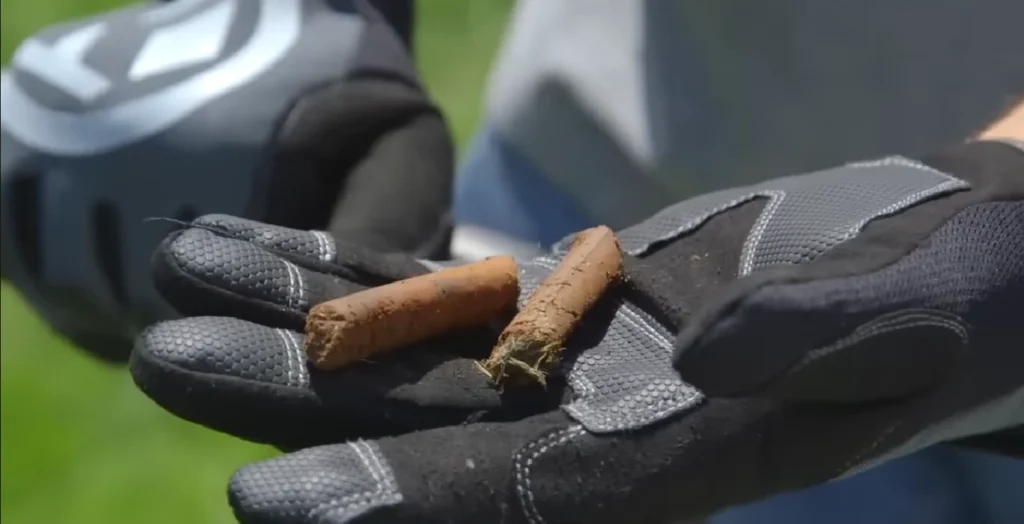
Core aerate first. Pull soil plugs across the whole lawn if compaction exists. Leave the plugs on the surface. They break down and return organic matter. Overseed immediately after aeration. Seed-to-soil contact raises germination rates. Fall seeding faces fewer weeds and gives new plants time to establish before winter. Choose a seed mix that matches your existing grass type. Keep the soil moist until the new seedlings reach two inches tall. Avoid heavy foot traffic on the freshly seeded areas.



Focus Fertilizer on Roots
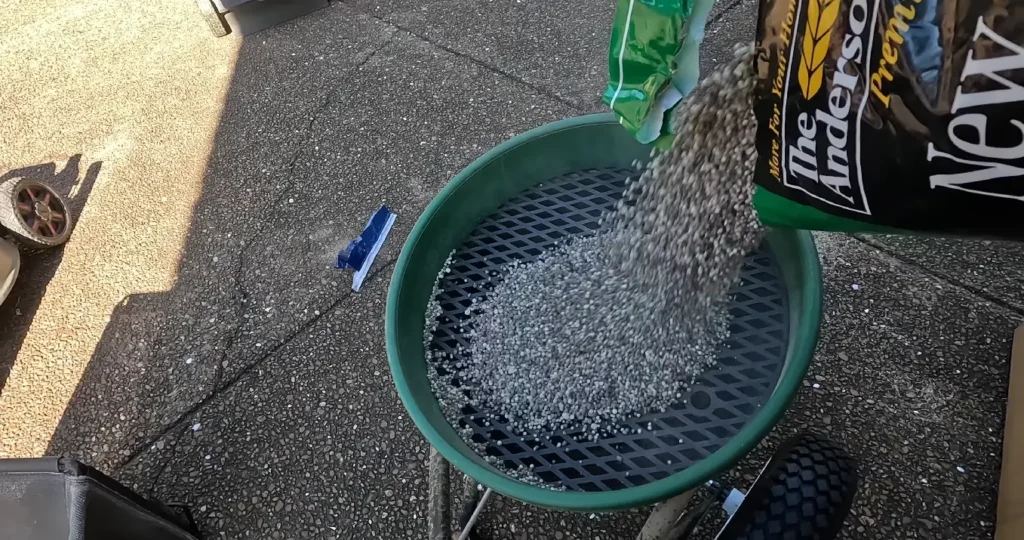
Apply the year’s main nitrogen dose now. Use 1 to 1.5 pounds of actual nitrogen per 1,000 square feet. Choose a product that also supplies potassium. This feeds roots and improves cold tolerance. Many university calendars rank fall feeding as the single most important application of the year. Water the fertilizer in if rain stays away. Spread the fertilizer evenly with a calibrated spreader. Avoid applying fertilizer on windy days to prevent drift. Skip any late-fall feeding after the grass stops growing.
Manage Leaves and Final Cuts
Rake or mulch leaves before they form thick mats. Mats block light and trap moisture that invites snow mold. Mulched leaves return nutrients if you spread them thinly. Lower the final mow a little but keep it above 2.5 inches. Clean the mower and store it ready for spring. Run the mower over leaves several times for fine mulch. Remove thick piles of leaves by hand if they stay wet. Sharpen the blades one last time before winter storage.


Recommended Seasonal Mowing Heights
Different grasses need different heights. The table below shows common targets based on university guidelines. Adjust slightly for your local conditions and grass variety.
| Grass Type | Spring Height | Summer Height | Fall Height |
|---|---|---|---|
| Tall Fescue | 2.5–3.5 in | 3–4 in | 2.5–3.5 in |
| Kentucky Bluegrass | 2–3 in | 2.5–3.5 in | 2–3 in |
| Perennial Ryegrass | 2–3 in | 2.5–3.5 in | 2–3 in |
| Fine Fescue | 2–3 in | 2.5–3.5 in | 2–3 in |
| Bermuda / Zoysia | 1–2 in | 1–2.5 in | 1–2 in |
Winter Lawn Care
Winter work stays simple. Protect the living parts of the plant with Seasonal Lawn Care Chattanooga. Stay off frozen or snow-covered grass. Foot traffic snaps the crowns and leaves dead patches that show in spring. Move heavy snow piles off the lawn when you can. Avoid parking cars or stacking wood on the turf.Skip all fertilizer and weed products once growth stops. Plan next year’s soil test, seed order, and equipment service during quiet months. In mild-winter areas, water during long dry spells if the ground stays unfrozen.


Year-Round Habits That Multiply Results
- Sharp mower blades cut cleanly every time. Return clippings to recycle nutrients. Water early and deep. Test soil before major changes. Time every task to active growth periods for your grass type. Keep a simple notebook of what you did and how the lawn responded. Local university extension calendars fine-tune dates for your frost schedule and soil type.
- Consistent seasonal care builds denser turf that crowds out weeds and needs fewer chemical fixes. Start with the tasks for the current season. Seasonal Lawn Care Chattanooga adjust as your lawn shows progress. Strong roots today create an easier lawn next year