
Weed Control in Chattanooga, TN
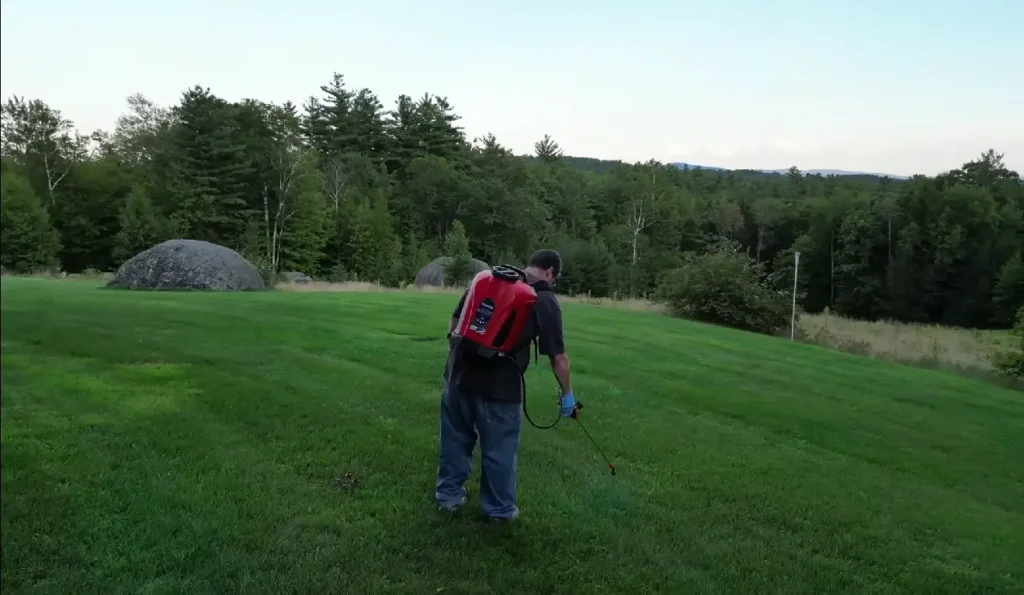
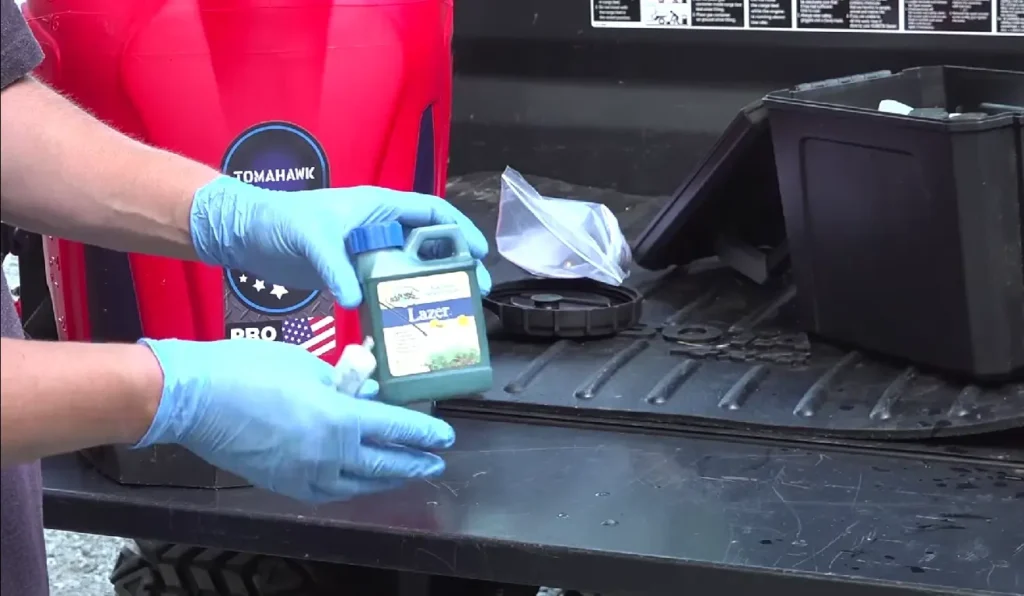


Healthy lawns naturally crowd out most weeds. Thick grass and strong roots leave little room for unwanted plants to establish. University extension services like University of Maryland Extension and Purdue Extension teach this approach. You save money and protect the environment when you focus on prevention first. Look for early signs instead of waiting for heavy infestations. Act only when you confirm the real weed and its growth stage. This guide shows you how to identify common weeds and control them with simple, effective steps. Follow these methods and your lawn stays denser and cleaner year after year.
Why Prevention Beats Treatment
Strong cultural practices form the first line of defense against weeds. Proper mowing, watering, and fertilizing create a dense turf that shades the soil and blocks weed seeds from germinating. Stressed or thin lawns open the door for crabgrass, dandelions, and other invaders. University experts agree that a healthy, thick lawn stops most weeds without chemicals. Focus on building density and deep roots every season. This approach lowers the need for herbicides and saves time long term.
Crabgrass in Lawns and Weed Control in Chattanooga
Identification and Control
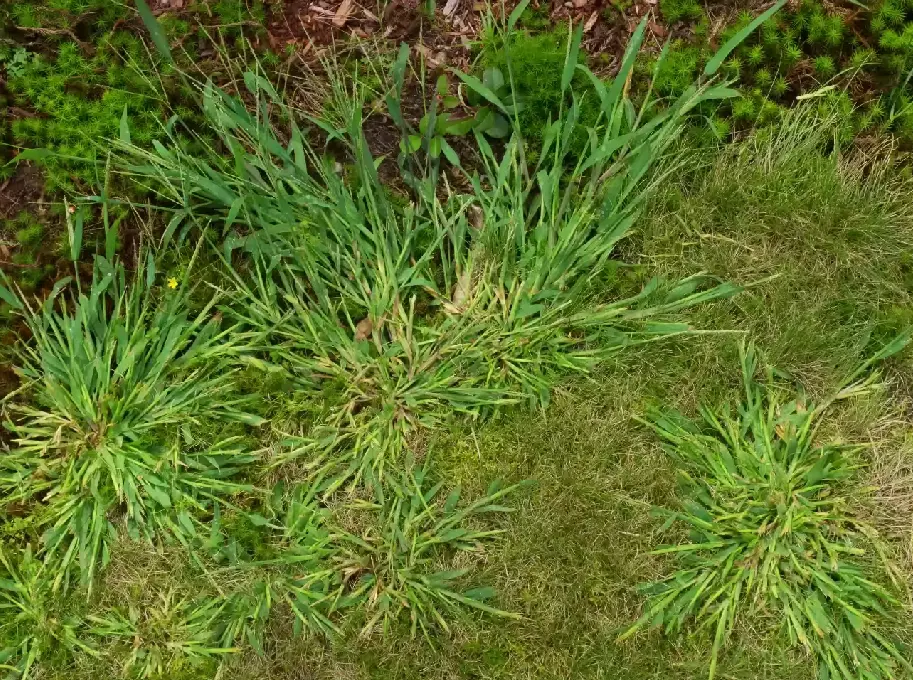
Crabgrass ranks among the top summer annual weeds in many regions. This low-growing grass spreads quickly in thin or stressed turf. It starts as light-green seedlings and forms wide, star-shaped clumps that turn purple-brown in fall. You can pull young plants easily before they set seed. Look closely in late spring when soil temperatures rise. Treat only if you see widespread germination. University of Maryland Extension and Purdue Extension both recommend pre-emergent barriers applied before soil reaches 55–60°F. Post-emergent products work on young plants, but dense turf remains the best long-term defense.
Dandelions in Lawns
Signs and Treatment
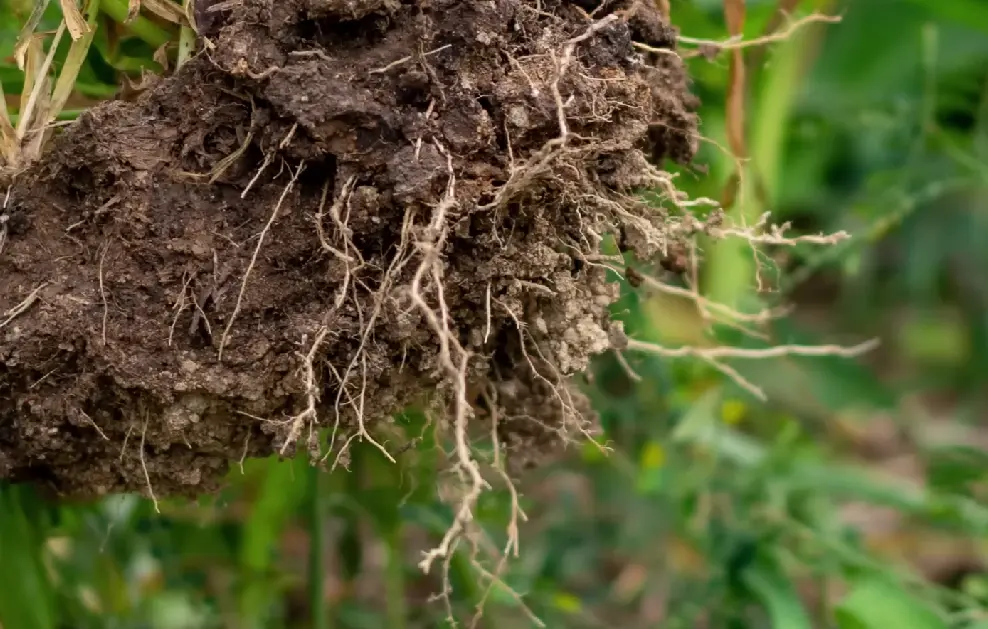
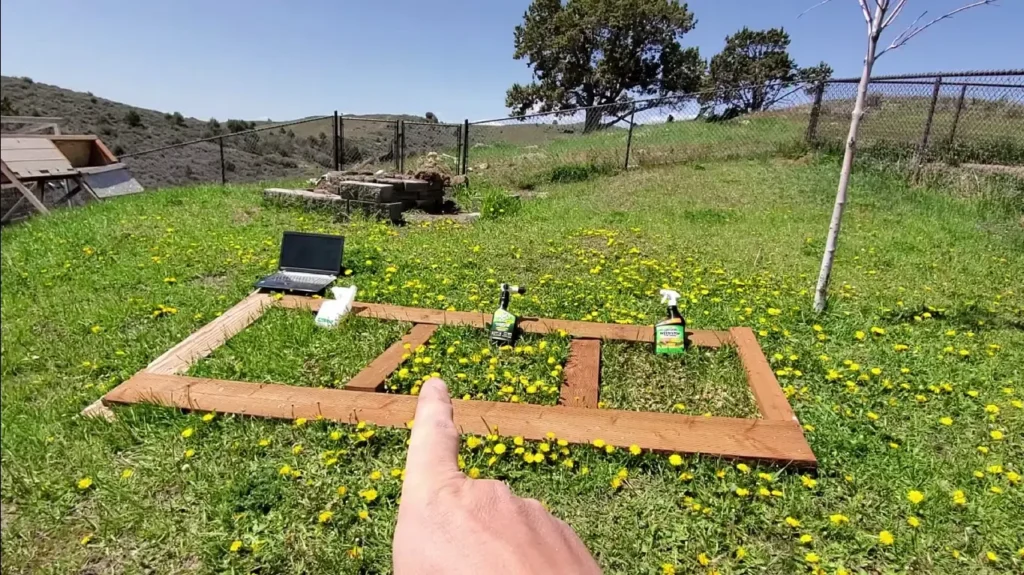
Dandelions thrive in thin or compacted lawns and produce bright yellow flowers that turn into white seed heads. These deep-rooted perennials send taproots far into the soil. Damage appears as open spots where the broad leaves crowd out grass. Check for the classic rosette of jagged leaves and hollow stems. You can dig them out carefully when the soil is moist, removing the entire root. Treat when you find scattered plants rather than waiting for full bloom. Improve density and soil health with Weed Control in Chattanooga to limit future seedlings.

Clover and Other Broadleaf Weeds
How to Spot and Stop Them
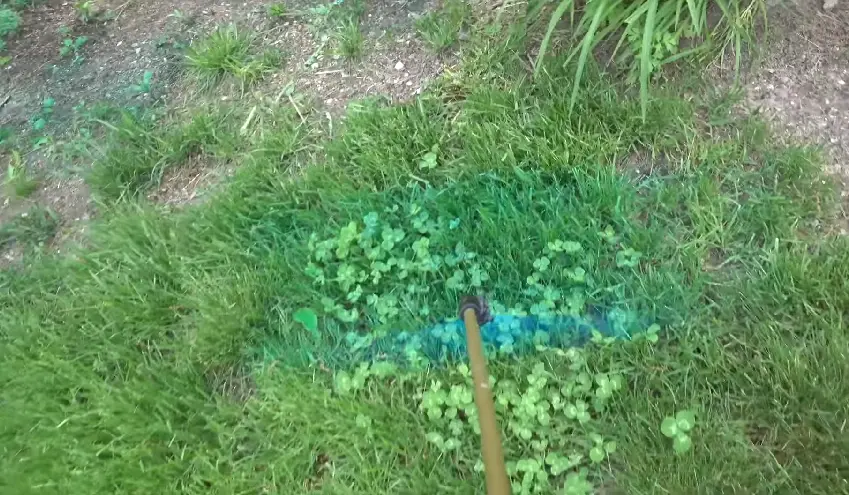
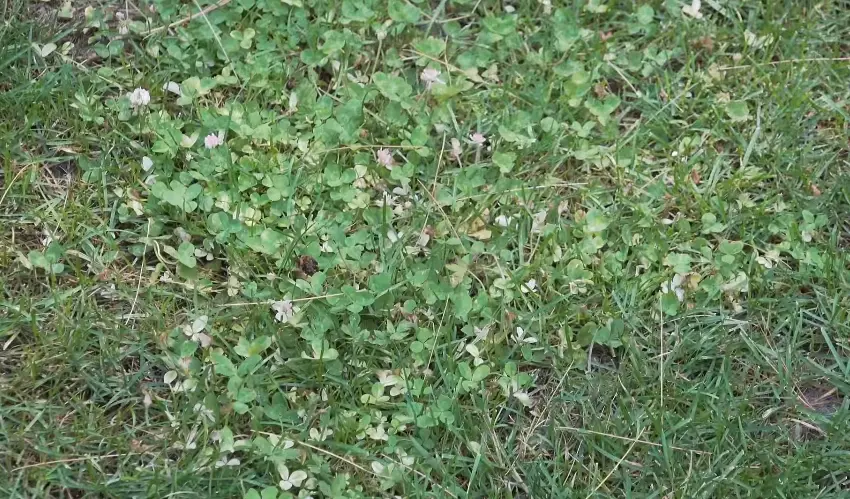
White clover and similar broadleaf weeds often signal low nitrogen or thin turf. You may see clusters of three-leaflet plants with white flowers. Irregular green patches appear where these weeds fill gaps left by weak grass. Look for the distinctive leaf shape and creeping stems near the soil surface. These weeds prefer lawns that receive less nitrogen or suffer from compaction. Raise the mowing height and feed properly to reduce their advantage. Spot treatments work better than blanket sprays. Healthy turf recovers faster once the weeds lose growing space.
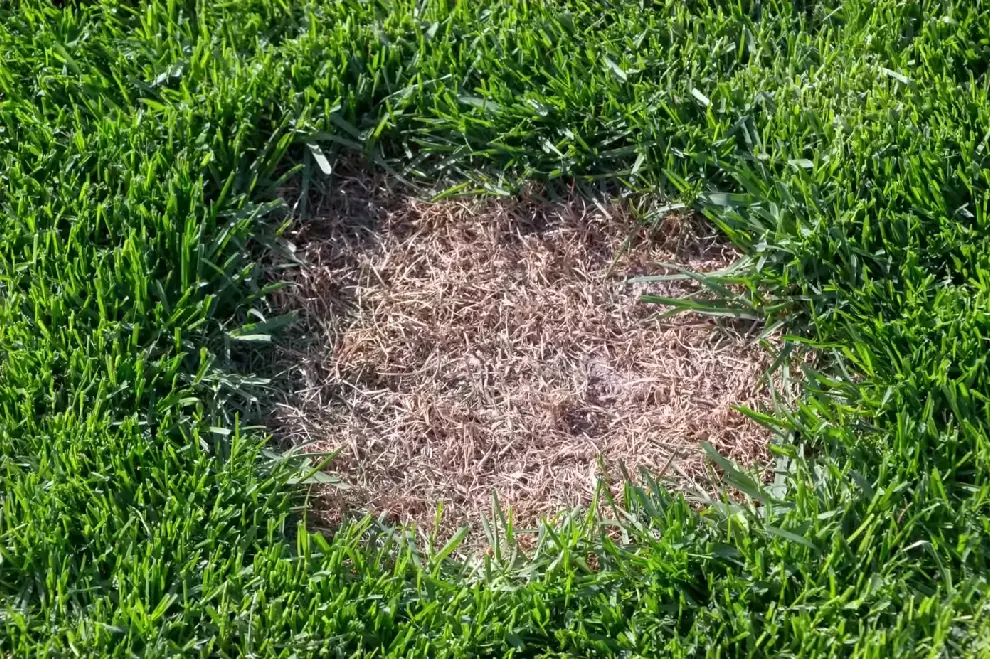
Common Lawn Weeds
Annual weeds such as crabgrass and goosegrass germinate from seed each year and complete their life cycle in one season. They thrive in hot weather and open soil. Tall fescue and Kentucky bluegrass lawns show clear susceptibility when density drops. You may see rapid spread after spring rains or summer stress. Avoid heavy nitrogen during peak germination periods. Water early in the day and keep the canopy thick. University of Maryland Extension notes that most home lawn herbicides give temporary help only. Improve air flow, fertility, and mowing to slow new seedlings.
Perennial weeds such as dandelions, plantain, and nutsedge return from roots or underground structures year after year. Pale or dark green patches with distinct leaf shapes appear across the lawn. Low fertility and compaction favor these persistent plants. A light nitrogen application in the proper season can help grass outcompete them. Mow only when the grass is dry. Reduce thatch and improve soil structure based on a test. Most lawns recover density once growing conditions improve and competition increases.


Quick Identification Table for Common Problems
| Problem | Key Signs | Best Season | First Action |
|---|---|---|---|
| Crabgrass | Wide clumps, light-green seedlings | Late spring–summer | Pre-emergent before soil warms |
| Dandelions | Yellow flowers, jagged leaf rosettes | Spring–fall | Dig entire root or spot treat |
| Clover | Three leaflets, white flowers | Spring–summer | Raise fertility & mowing height |
| Nutsedge | Triangular stems, rapid yellow-green growth | Warm weather | Improve drainage & target carefully |
| Broadleaf weeds | Distinct leaves filling thin spots | Active growth | Spot treat & thicken turf |
Use this table to match symptoms quickly. Confirm the weed before you treat. Wrong products waste time and money.
Mowing for Weed Resistance
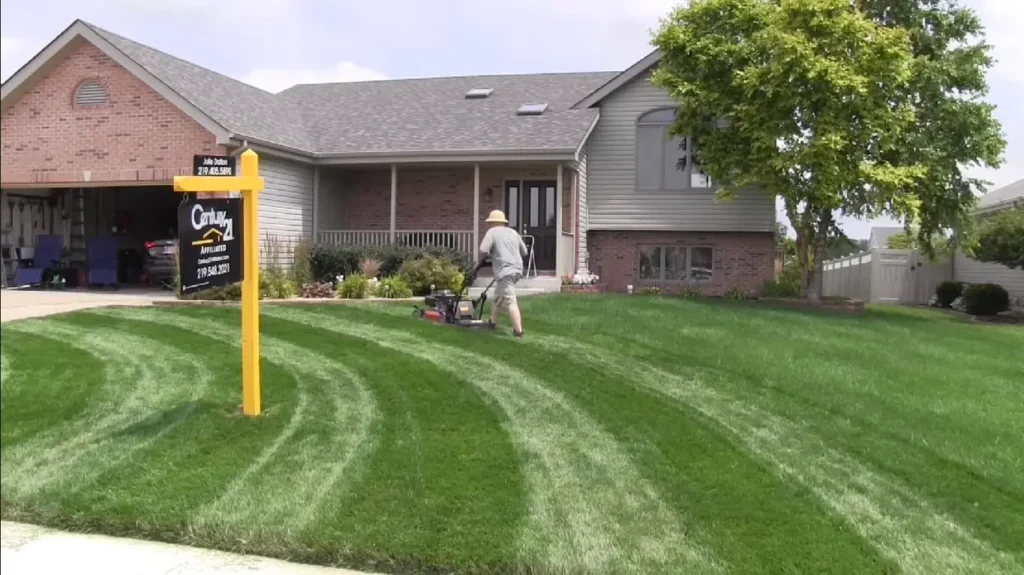
Proper mowing stops many weed problems before they start. Keep the blade sharp and never cut more than one-third of the height. Raise the cutting height in summer for cool-season grass. Taller grass shades the soil and prevents many weed seeds from germinating. Return clippings to recycle nutrients. Mow only when the grass is dry. Wet mowing can spread weed seeds and weaken the turf canopy.
Smart Watering Habits
Water deeply and infrequently to build long grass roots. Give the lawn about one inch of water each week including rain. Water early in the morning so the surface dries quickly. Shallow daily watering creates weak roots and open soil that invites weeds. Check soil moisture with a screwdriver before you turn on the sprinkler. Good watering habits reduce both weed pressure and the need for extra treatments.
Fertilizer Timing Matters
Fertilize according to soil test results and grass type. Cool-season lawns need most nitrogen in fall. Warm-season lawns prefer feeding during active summer growth. Skip heavy nitrogen when weeds are germinating heavily. Excess nitrogen can sometimes favour certain weeds while soft tissue invites other problems. Balanced fertility helps grass outcompete weeds on its own.
Reduce Thatch and Compaction
Reduce thatch and soil compaction every year. Core aerate in the proper season for your grass type. Thatch thicker than half an inch creates a seedbed for weeds and weakens grass. Compacted soil limits root growth and leaves open spaces. Healthy soil supports dense turf and beneficial microbes that help keep weeds in check naturally.


Treatment Steps That Work
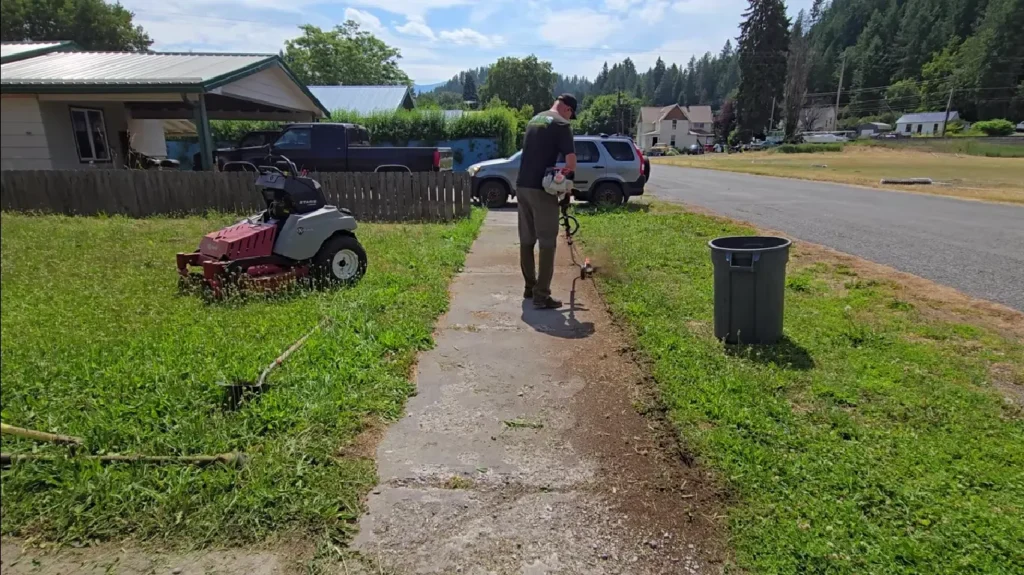
Start with cultural fixes before any chemical. Raise the mower, adjust watering, and improve fertility. Many mild weed problems improve once the turf thickens and shades the soil. Spot-treat only the affected zones when weeds exceed acceptable levels. Choose products labeled for the specific weed and follow the directions exactly. Apply pre-emergents at the right soil temperature and post-emergents when weeds are young and actively growing.
Beneficial practices and dense turf provide natural control options. Thick grass and proper fertility reduce the need for herbicides. Avoid broad-spectrum products that harm desirable grass when possible. Resistant or improved grass varieties reduce future weed pressure. Choose quality seed matched to your region when you overseed. Strong cultural practices remain the foundation of long-term weed control.
When to Call a Professional
Large infestations or repeated weed problems may need a licensed professional. Some selective herbicides and application methods work better in targeted programs that homeowners cannot easily match. Professionals can identify difficult weeds and apply precise treatments in Weed Control in Chattanooga. Ask for Integrated Pest Management methods that limit chemical use. Keep records of what you tried so the specialist understands the history. Most lawns improve with better density and care and rarely need repeated heavy treatments.
Build a Stronger Lawn Over Time
A dense healthy lawn crowds out weeds and resists new invasions. Follow seasonal care for mowing, watering, and feeding. Test soil every few years and correct pH or nutrient gaps. Overseed thin areas in the right season for your grass type. Watch the lawn weekly during peak weed germination periods. Quick action on small patches keeps problems limited. Consistent good habits create a lawn that stays thick and weed-resistant with less effort over time.