
Lawn Fertilization in Chattanooga, TN
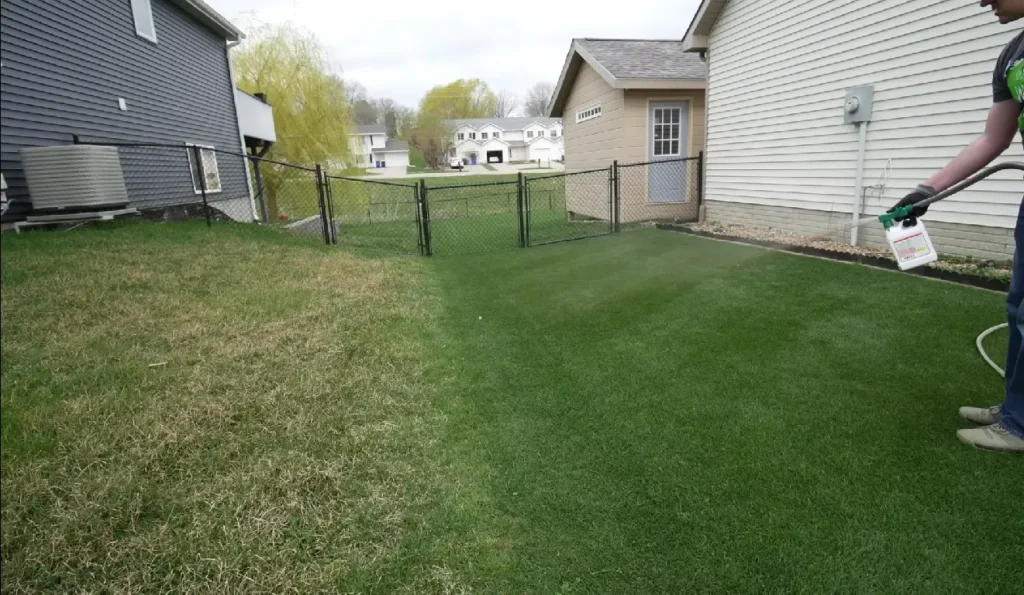

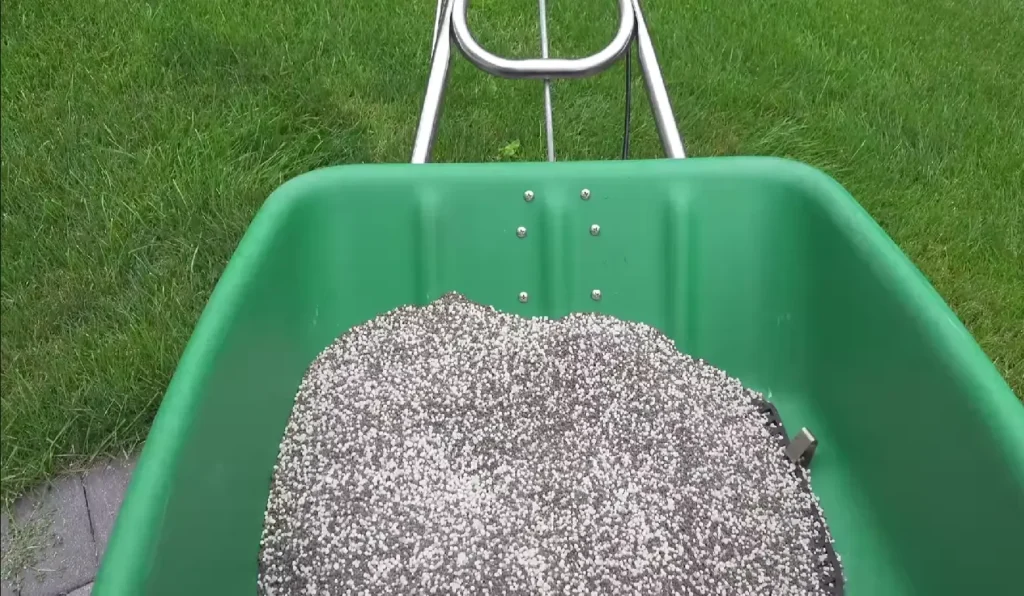
Healthy lawns get the nutrients they need at the right time and in the right amounts. Balanced feeding builds strong roots and dense turf that resist stress. University extension services like University of Maryland Extension and Purdue Extension teach this approach. You save money and protect the environment when you focus on soil tests and proper timing first. Look for early signs of nutrient need instead of applying fertilizer on a fixed schedule. Act only when you confirm the real requirement. Lawn Fertilization in Chattanooga shows you how to feed your lawn with simple, science-based steps. Follow these methods and your lawn stays thicker and greener year after year.
Why Balanced Feeding Beats Guesswork
Strong cultural practices form the first line of defense against weak or yellowing turf. Proper fertilization supplies nitrogen, phosphorus, potassium, and micronutrients when grass can use them. Under-fed or over-fed lawns suffer stress that invites weeds, pests, and disease. University experts agree that a soil-tested feeding program grows healthier grass with fewer inputs. Focus on matching fertilizer to grass type, season, and soil results every year. This approach lowers the risk of runoff and saves time long term.
Cool-Season Lawns
Timing and Needs
Cool-season grasses such as tall fescue, Kentucky bluegrass, and perennial ryegrass need most of their nitrogen in fall. These grasses grow actively in spring and fall and slow in summer heat. Yellowing or slow recovery after mowing often signals low nitrogen. You can improve color and density with a well-timed fall application. Apply the heaviest feeding after the summer heat breaks and again in late fall if needed. University of Maryland Extension and Purdue Extension both recommend soil testing before any major feeding. Light spring applications help green-up without pushing soft growth into summer stress.


Warm-Season Lawns
Timing and Needs
Warm-season grasses such as bermudagrass, zoysiagrass, and St. Augustine need feeding during active summer growth. These grasses thrive in heat and go dormant in cool weather. Pale color or thin density in mid-summer often shows nutrient demand. Check growth rate and color rather than following a calendar alone. Feed when the grass is actively growing and temperatures support uptake. Avoid heavy nitrogen late in the season that can delay dormancy. Proper summer feeding builds energy reserves for the next year.


Soil Testing and Nutrient Deficiencies
How to Spot and Correct Them
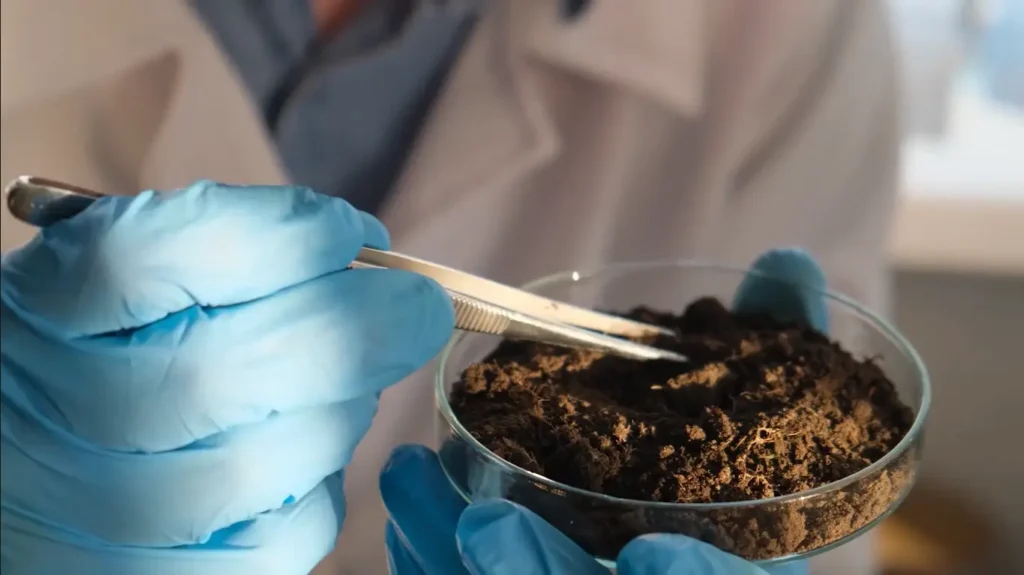
Soil tests reveal what the lawn actually needs instead of guessing. Many lawns lack nitrogen or show low phosphorus and potassium in certain soils. You may see yellowing between veins, purple tints, or poor root growth. Look for overall pale color, slow recovery, or weak tillering. These signs appear when nutrients fall below adequate levels. Collect soil samples from several spots and send them to a reliable lab. Correct deficiencies with the right analysis and rate. Healthy soil chemistry supports stronger grass that needs less frequent correction.


Lawn Fertilization in Chattanooga Situations
Nitrogen deficiency creates pale green or yellow turf that grows slowly. The problem worsens with heavy rainfall or sandy soils that leach nutrients. Tall fescue and Kentucky bluegrass show clear symptoms when nitrogen runs short. You may see the lawn lose color first in high-traffic or shaded zones. Avoid heavy applications during extreme heat. Water after feeding so nutrients move into the root zone. University of Maryland Extension notes that most home lawns respond best to moderate, well-timed nitrogen rather than frequent heavy doses.
Phosphorus or potassium shortages appear less often but still limit root strength and stress tolerance. Dark green leaves with purple edges or weak recovery after drought signal possible gaps. Low organic matter and high pH or low pH soils favor these imbalances. A light correction based on soil test results helps the grass build stronger roots. Mow only when the grass is dry after application. Reduce thatch and improve soil biology over time. Most lawns regain vigor once the limiting nutrient is restored and cultural care stays consistent.

Quick Identification Table for Common Needs
| Problem | Key Signs | Best Season | First Action |
|---|---|---|---|
| Nitrogen Deficiency | Pale or yellow color, slow growth | Fall (cool-season) | Soil test & apply moderate nitrogen |
| Poor Spring Green-up | Delayed color, thin appearance | Early spring | Light feeding after soil warms |
| Summer Thinning | Faded color in heat | Active summer growth | Feed warm-season grass as needed |
| Weak Roots | Poor recovery, easy pull-up | After soil test | Correct P or K if deficient |
| Excess Growth/Soft Tissue | Rapid soft blades, disease risk | Avoid peak heat | Reduce rate & improve timing |
Use this table to match symptoms quickly. Confirm the need with a soil test before you fertilize. Wrong products or timing waste money and can harm the lawn.
Mowing for Better Fertilizer Response
Proper mowing helps the lawn use nutrients efficiently. Keep the blade sharp and never cut more than one-third of the height. Raise the cutting height in summer for cool-season grass. Taller grass develops stronger roots that take up fertilizer more effectively. Return clippings to recycle nutrients back into the soil. Mow only when the grass is dry. Wet mowing after fertilizing can clump clippings and create uneven feeding.
Smart Watering Habits
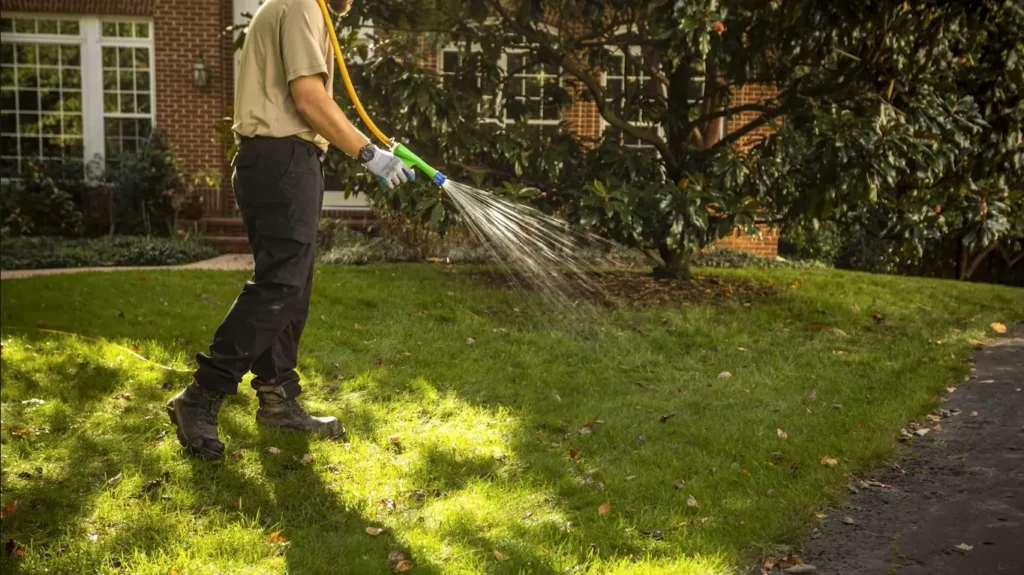
Water deeply and infrequently to move nutrients into the root zone. Give the lawn about one inch of water each week including rain. Water early in the morning after fertilizing so leaves dry and nutrients reach the soil. Shallow daily watering leaves fertilizer near the surface where it can burn or wash away. Check soil moisture with a screwdriver before you turn on the sprinkler. Good watering habits improve fertilizer efficiency and reduce loss.
Fertilizer Timing Matters
Fertilize according to soil test results and grass type. Cool-season lawns need most nitrogen in fall. Warm-season lawns prefer feeding during active summer growth. Skip heavy nitrogen in hot humid weather. Excess nitrogen softens tissue and can increase disease risk. Balanced fertility matched to the season helps grass grow strong without excess soft growth.
Reduce Thatch and Compaction
Reduce thatch and soil compaction every year. Core aerate in the proper season for your grass type. Thatch thicker than half an inch blocks fertilizer from reaching the roots. Compacted soil limits nutrient uptake and weakens the plant. Healthy soil supports better fertilizer response and beneficial microbes that cycle nutrients naturally.

Treatment Steps That Work
Start with a soil test before any application. Raise the mower, adjust watering, and correct pH if needed. Many mild color or density issues improve once the limiting nutrient is supplied at the right time. Apply fertilizer only to the zones or lawns that show need. Choose products with the analysis that matches your soil test and follow the label rate exactly. Water lightly after application to move nutrients into the soil and reduce burn risk.
Slow-release and organic options provide steady feeding with lower burn potential. Soil microbes and proper timing improve natural nutrient cycling. Avoid quick-release products in hot weather when possible. Lawn Fertilization in Chattanooga Choose fertilizers suited to your grass type and region. Strong cultural practices remain the foundation of efficient long-term feeding.
When to Call a Professional Lawn Fertilization in Chattanooga
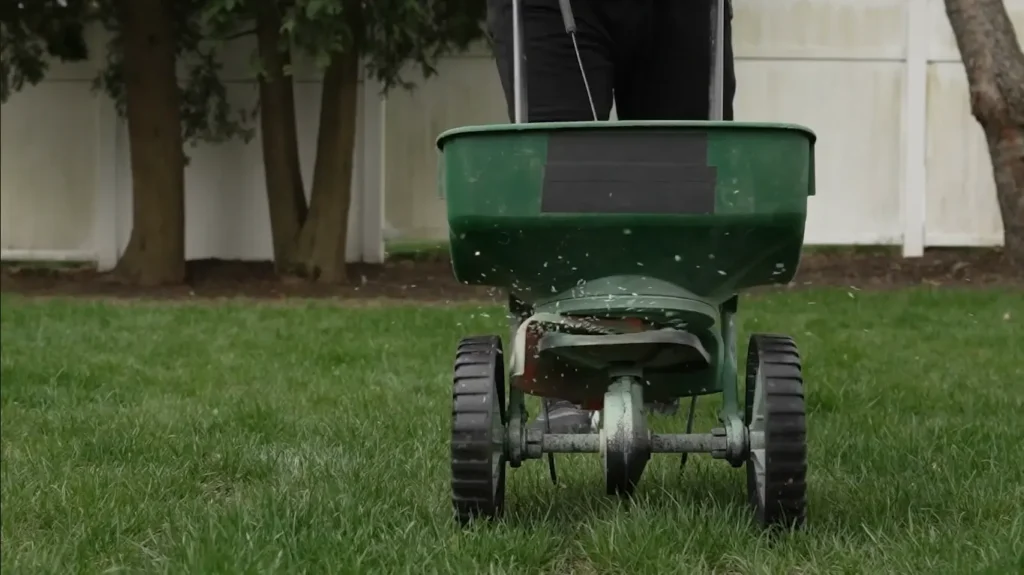
Large lawns, repeated deficiency symptoms, or complex soil issues may need a licensed professional. Some specialty fertilizers and spreaders deliver more even results than home equipment. Professionals Lawn Fertilization in Chattanooga can interpret soil tests and create customized programs. Ask for Integrated Pest Management-style approaches that limit unnecessary applications. Keep records of past tests and applications so the specialist understands the history. Most lawns improve with proper testing and timing and rarely need heavy repeated feeding.
Build a Stronger Lawn Over Time
A well-fed, dense lawn resists stress and maintains color with less effort. Follow seasonal care for mowing, watering, and feeding. Test soil every few years and correct pH or nutrient gaps. Overseed thin areas in the right season for your grass type. Watch the lawn weekly during peak growth periods. Quick action on early color or density changes keeps problems limited. Consistent good habits create a lawn that stays strong and attractive with efficient, targeted fertilization over time.