
Pest and Disease Control Chattanooga, TN
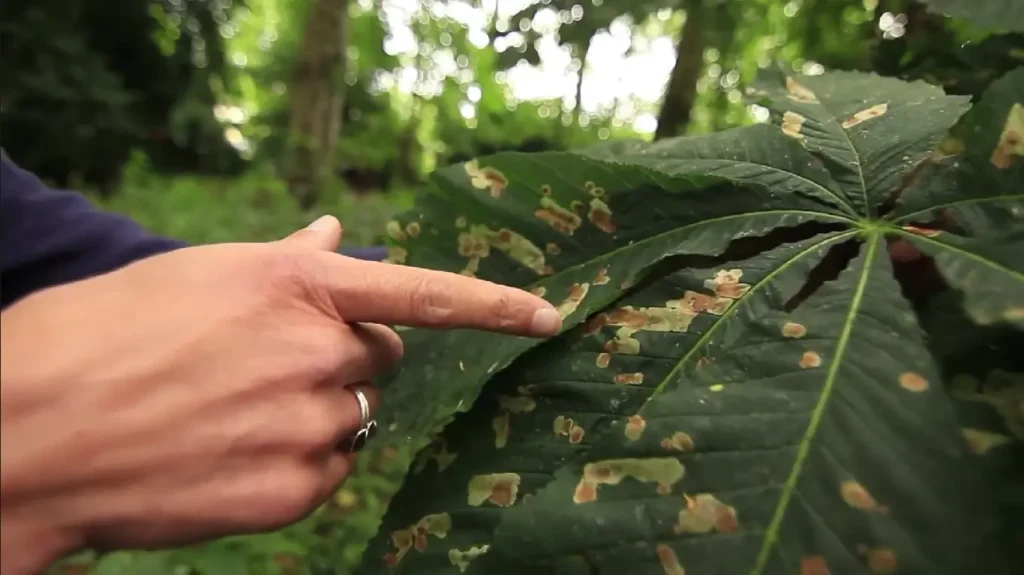
Healthy lawns resist most pests and diseases on their own. Strong roots and proper care stop many problems before they start. University extension services like University of Maryland Extension and Purdue Extension teach this approach. You save money and protect the environment when you focus on prevention first. Look for early signs instead of waiting for big damage. Act only when you confirm the real cause. This guide shows you how to spot issues and fix them with simple steps. Follow these methods and your lawn stays thicker and greener year after year.
Why Prevention Beats Treatment
Strong cultural practices form the first line of defense. Proper mowing, watering, and fertilizing reduce stress on the grass. Stressed lawns attract insects and invite fungal diseases. University experts agree that healthy turf fights most problems without chemicals. Pest and Disease Control Chattanooga focus on building density and deep roots every season. This approach lowers the need for sprays and saves time long term.
White Grubs in Lawns
Identification and Control
White grubs rank among the top lawn pests in many regions. These C-shaped larvae feed on grass roots underground. The grass turns yellow then brown in irregular patches. You can pull the turf back like a carpet when roots suffer heavy damage. Dig a one-square-foot section of soil to count the grubs. Treat only if you find more than five to ten grubs per square foot. University of Maryland Extension and Purdue Extension both recommend this threshold. Beneficial nematodes offer a natural option for young grubs. Apply insecticides only after you confirm high numbers.

Chinch Bugs in Lawns
Signs and Treatment
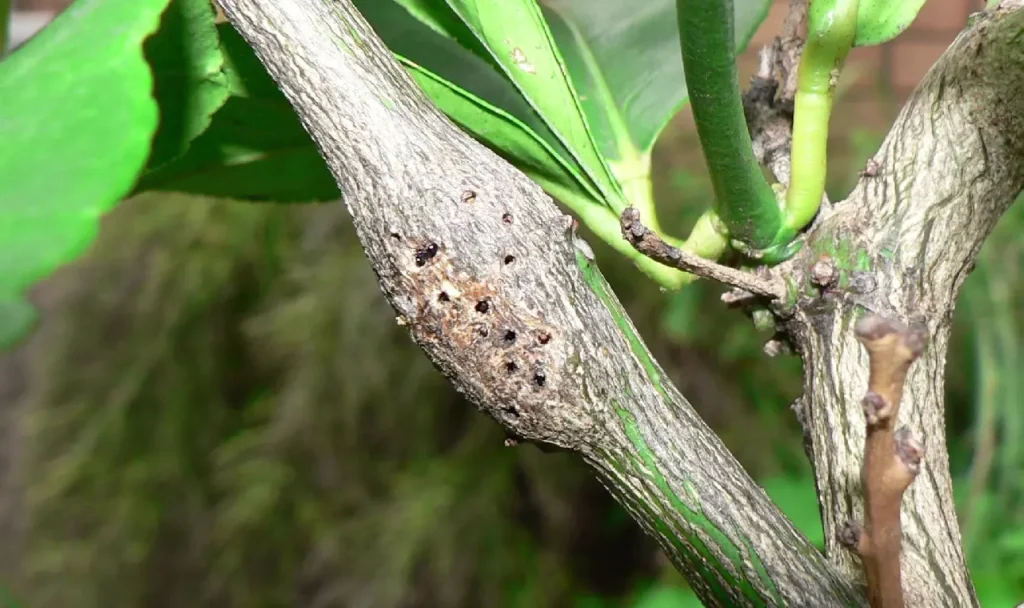
Chinch bugs cause serious damage in hot dry weather. These small insects suck sap from grass blades. Damage often starts near sidewalks or driveways. Grass first yellows then turns brown in expanding patches. St. Augustine grass suffers most from southern chinch bugs. Check for insects by parting the grass and looking closely. You can also use a metal can pushed into the soil and filled with water. Treat when you find twenty to twenty-five bugs per square foot. Reduce thatch and water properly to limit their numbers.


Sod Webworms in Lawns
How to Spot and Stop Them
Sod webworms and armyworms chew grass blades at night. You may see small moths flying low over the lawn in the evening. Irregular brown patches appear where the caterpillars feed. Look for chewed blades and green pellets of frass near the base. These pests prefer stressed or drought-hit turf. Raise the mowing height and keep the lawn watered to reduce damage. Spot treatments work better than blanket sprays. Healthy turf recovers faster once the caterpillars leave.


Common Lawn Diseases
Brown patch creates circular or irregular brown areas in summer. The disease thrives in hot humid weather with long leaf wetness. Tall fescue and perennial ryegrass show high susceptibility. You may see a smoke-ring pattern around the edges early in the morning. Avoid heavy nitrogen fertilizer during peak heat. Water early in the day so leaves dry quickly. University of Maryland Extension notes that most home lawn fungicides give limited help. Improve air flow and drainage to slow the disease.
Dollar spot forms small round spots the size of a silver dollar. Pale lesions with dark borders appear on individual blades. Heavy dew and low nitrogen levels favor this fungus. Kentucky bluegrass and fine fescues often show clear symptoms. A light nitrogen application in late spring can help the grass outgrow the damage. Mow only when the grass is dry. Reduce thatch and improve soil fertility based on a test. Most lawns recover once growing conditions improve.


Quick Identification Table for Common Problems
| Problem | Key Signs | Best Season | First Action |
|---|---|---|---|
| White Grubs | Brown patches, turf pulls up easily | Late summer | Dig and count grubs |
| Chinch Bugs | Yellow then brown patches near edges | Hot dry weather | Flotation test with can |
| Sod Webworms | Chewed blades, moths at dusk | Summer | Look for caterpillars at night |
| Brown Patch | Circular brown areas, smoke ring | Hot humid | Raise mower, water early |
| Dollar Spot | Small round spots, hourglass lesions | Mild wet | Light nitrogen, mow dry grass |
Use this table to match symptoms quickly. Confirm the cause before you treat. Wrong treatments waste time and money.
Mowing for Pest and Disease Resistance
Proper mowing stops many pest and disease problems. Keep the blade sharp and never cut more than one-third of the height. Raise the cutting height in summer for cool-season grass. Taller grass shades the soil and builds stronger roots. Return clippings to recycle nutrients. Mow only when the grass is dry. Wet mowing spreads fungal spores across the lawn.
Smart Watering Habits
Water deeply and infrequently to build long roots. Give the lawn about one inch of water each week including rain. Water early in the morning so leaves dry before night. Shallow daily watering creates weak roots that invite pests. Check soil moisture with a screwdriver before you turn on the sprinkler. Good watering habits reduce both insect and disease pressure.
Fertilizer Timing Matters
Fertilize according to soil test results and grass type. Cool-season lawns need most nitrogen in fall. Warm-season lawns prefer feeding during active summer growth. Skip heavy nitrogen in hot humid weather. Excess nitrogen softens tissue and fuels brown patch. Balanced fertility helps grass fight pests on its own.
Reduce Thatch and Compaction
Reduce thatch and soil compaction every year. Core aerate in the proper season for your grass type. Thatch thicker than half an inch shelters chinch bugs and grubs. Compacted soil holds too much moisture and weakens roots. Healthy soil supports beneficial insects and microbes that control pests naturally.

Treatment Steps for Pest and Disease Control Chattanooga
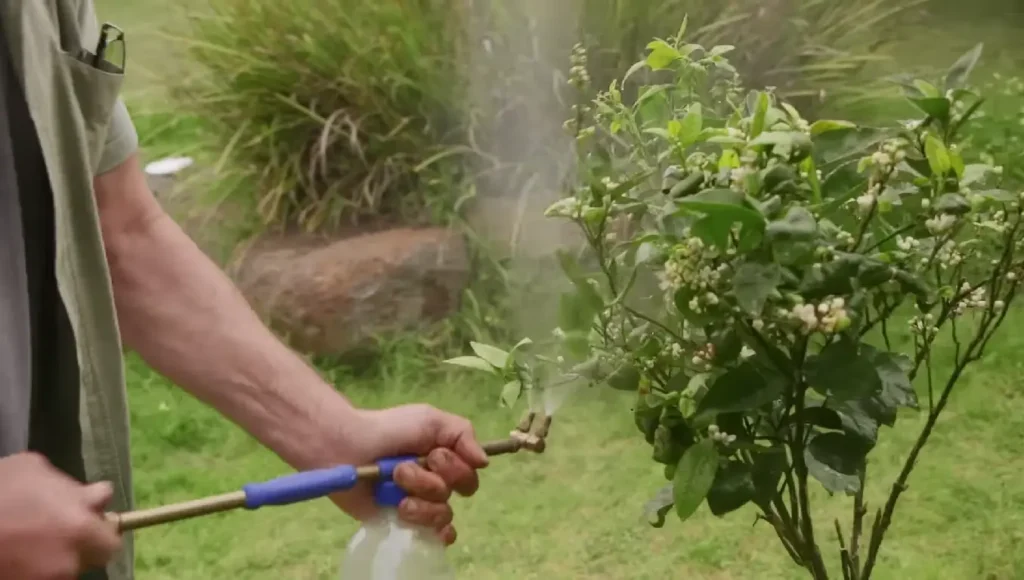
Start with cultural fixes before any chemical. Raise the mower, adjust watering, and improve fertility. Many mild cases improve once stress leaves the lawn. Spot-treat only the damaged zones when insects exceed thresholds. Choose products labeled for the specific pest and follow the directions exactly. Water insecticides into the soil for grubs according to the label.
Beneficial insects and nematodes provide natural control options. Birds and ground beetles eat many grubs and caterpillars. Avoid broad-spectrum insecticides that kill these helpers. Resistant grass varieties reduce future problems. Choose endophyte-enhanced seed for cool-season lawns when you overseed. Strong cultural practices remain the foundation of long-term control.
Build a Stronger Lawn Over Time
A dense healthy lawn crowds out pests and resists disease. Follow Pest and Disease Control Chattanooga for mowing, watering, and feeding. Test soil every few years and correct pH or nutrient gaps. Overseed thin areas in the right season for your grass type. Watch the lawn weekly during peak pest and disease periods. Quick action on small problems keeps damage limited. Consistent good habits create a lawn that stays strong with less effort over time.
When to Call a Professional
Large infestations or repeated problems may need a licensed professional. Some fungicides work better in preventive programs that homeowners cannot access. Professionals can identify rare pests and apply targeted treatments. Ask for Integrated Pest Management methods that limit chemical use. Keep records of what you tried so the specialist understands the history. Most lawns improve with better care and rarely need repeated heavy treatments.