Fall Lawn Care Checklist for Chattanooga, TN Homeowners
Fall is one of the most important seasons for lawn care in Chattanooga, TN. Cooler temperatures give grass a chance to recover from summer heat. They also create better conditions for root growth, overseeding, fertilization, and weed control.
fall lawn care Chattanooga TN can include tall fescue, Bermuda grass, zoysia, and other turf types. Because the area sits in a transition zone, different grasses need different care throughout the year.
A proper fall lawn care routine in Chattanooga, TN can help your grass grow thicker, develop stronger roots, and enter winter in better condition.
Use this checklist to prepare your lawn for the cooler months.
1. Check Your Lawn After Summer Stress
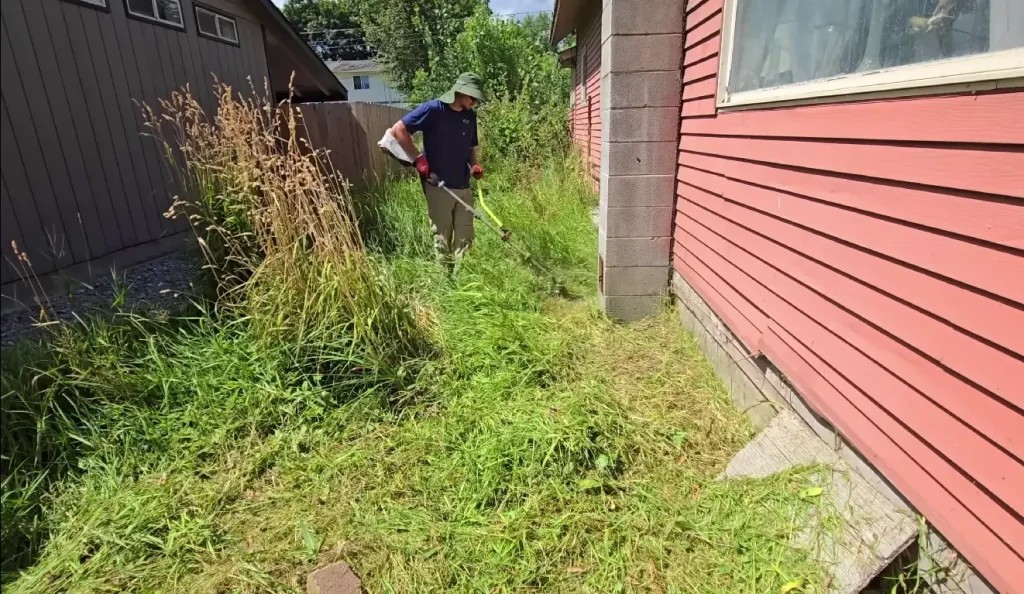
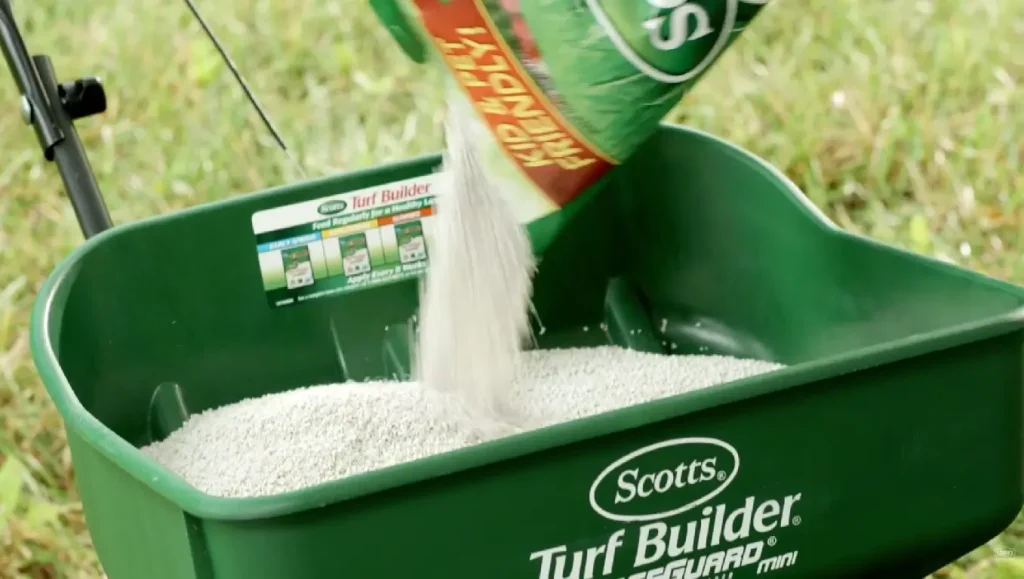
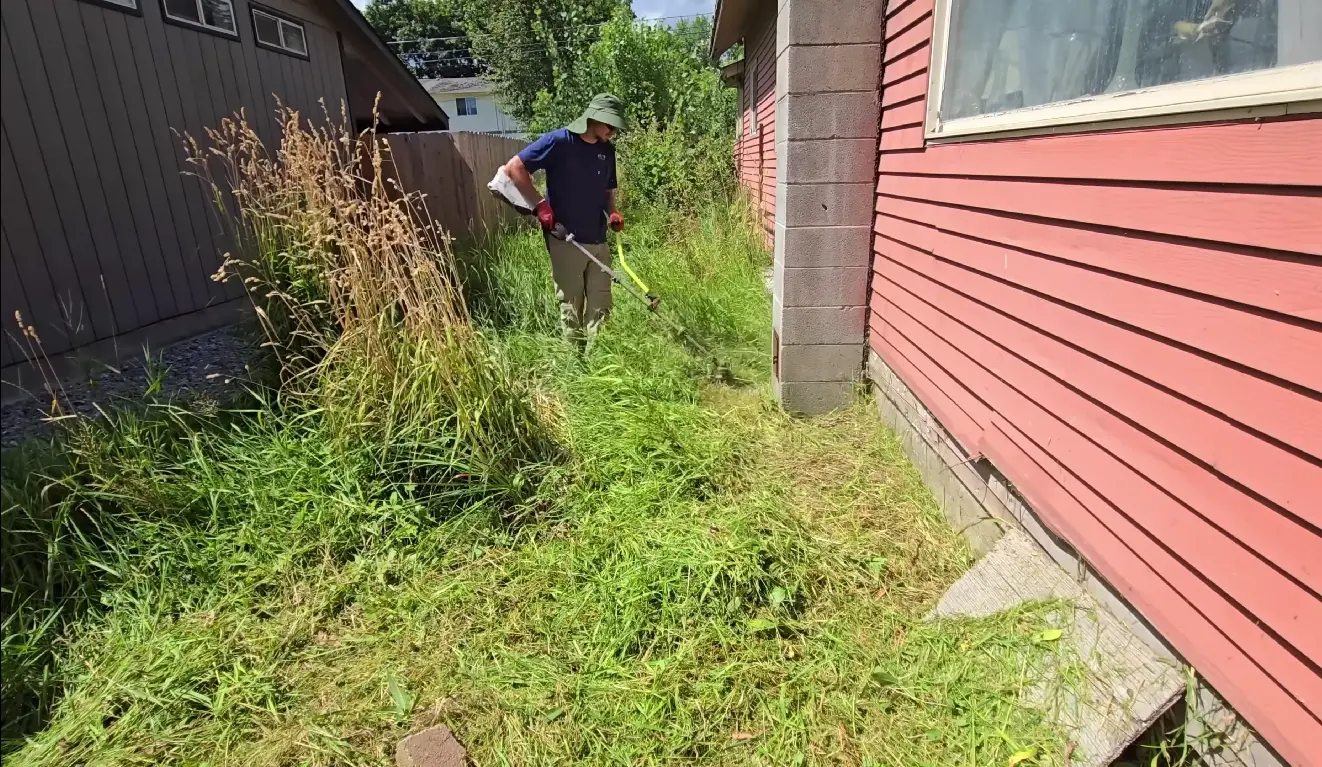
Before starting your fall lawn treatments, inspect the entire yard.
Summer heat, drought, heavy rain, foot traffic, insects, and lawn diseases can leave grass weak or damaged.
Look for:
- Thin or bare areas
- Brown or yellow patches
- Compacted soil
- Excessive thatch
- Weeds
- Insect damage
- Signs of lawn disease
- Areas with poor drainage
- Grass growing unevenly
Finding these problems early makes fall lawn care much more effective.
Do not automatically assume every brown patch needs more water or fertilizer. Brown areas can have several causes, including disease, insects, drought stress, or poor soil conditions.
2. Identify Your Grass Type
Knowing your grass type is important before applying fertilizer, seed, or other treatments.
Common lawn grasses around Chattanooga include:
Tall Fescue
Tall fescue is a popular cool-season grass for the Chattanooga area. It performs best during cooler weather and can benefit from fall overseeding and fertilization.
Bermuda Grass
Bermuda is a warm-season grass that grows actively during the warmer months. It normally becomes dormant as temperatures drop.
Zoysia Grass
Zoysia is another warm-season option. It handles heat well but also becomes dormant during colder weather.
Your lawn’s grass type determines the best timing for mowing, fertilizing, overseeding, and other treatments.
3. Aerate Compacted Soil
Soil can become compacted after months of summer activity. Children, pets, mowing equipment, and regular foot traffic can all contribute to compaction.
Compacted soil makes it harder for water, oxygen, and nutrients to reach grass roots.
Core aeration removes small plugs of soil from the lawn. This opens pathways into the soil and gives roots better access to air, water, and nutrients.
For many Chattanooga lawns, fall is an excellent time to consider aeration, especially when the soil is compacted and the lawn is struggling with thin growth.
Aeration can be particularly useful before overseeding a cool-season lawn.
4. Overseed Thin Tall Fescue Lawns
Fall is an important season for tall fescue lawn care in Chattanooga.
If your fescue lawn has thin areas or bare patches, overseeding can help improve its density.
Before spreading seed:
- Mow the lawn at the appropriate height.
- Remove excessive leaves and debris.
- Aerate compacted areas when needed.
- Spread quality grass seed evenly.
- Keep the seedbed consistently moist.
- Continue watering until seedlings become established.
Avoid letting newly seeded areas dry out during germination.
The exact timing depends on weather and soil conditions. Chattanooga’s temperatures can remain warm well into fall, so watching local conditions is more useful than following a single calendar date.
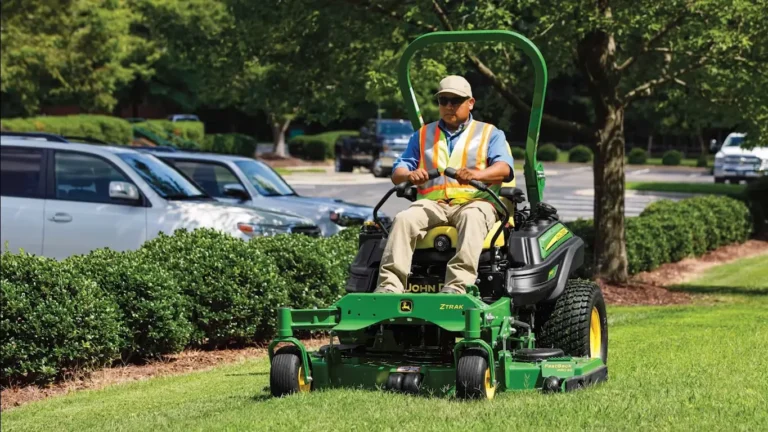
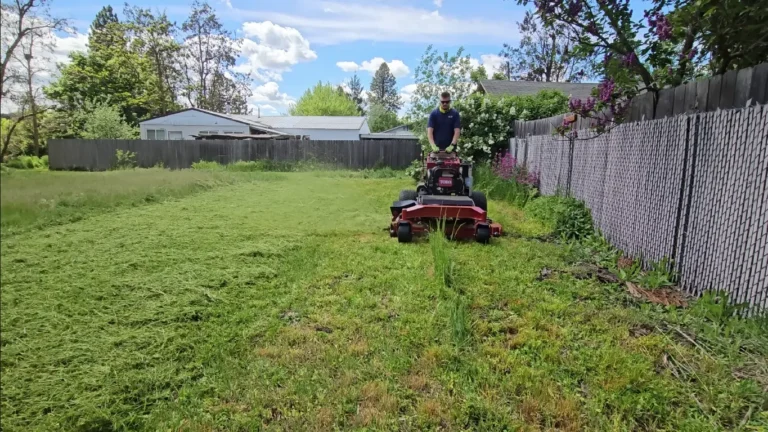
5. Adjust Your Mowing Routine
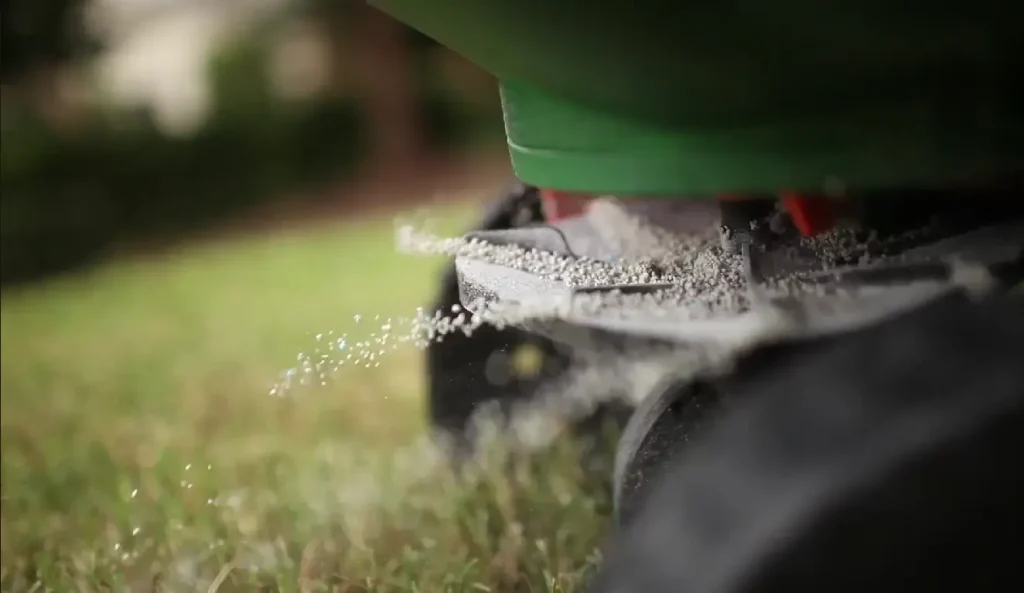
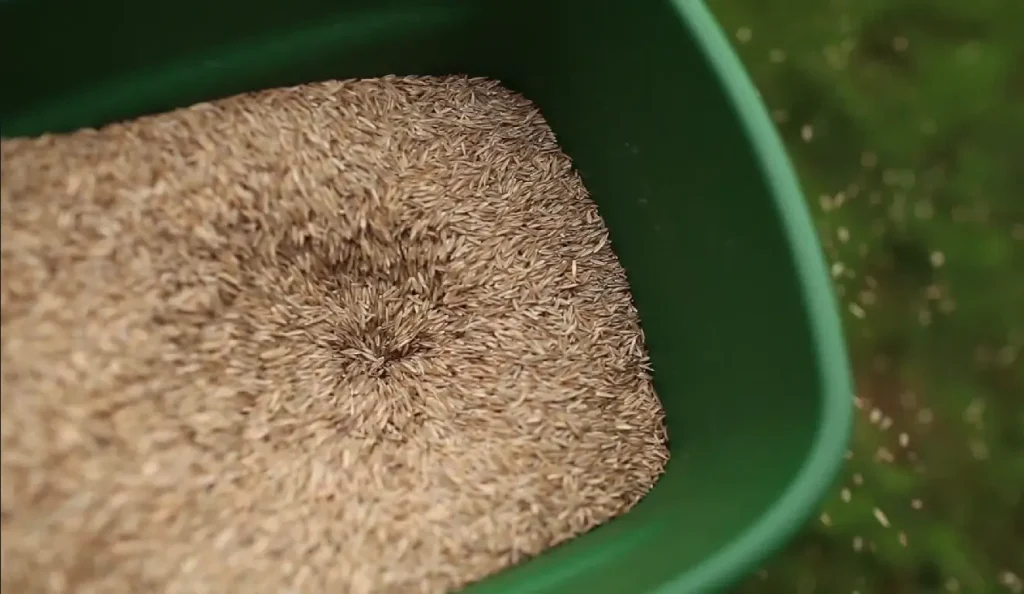
Your lawn does not stop needing mowing immediately when summer ends.
As temperatures cool, grass growth changes. Continue mowing as needed while avoiding excessive removal of the grass blade.
A good rule is to avoid cutting more than about one-third of the grass height at one time.
Keep mower blades sharp. A dull blade can tear grass instead of making a clean cut.
Before winter, avoid leaving the lawn excessively tall or cutting it extremely short. The ideal mowing height depends on the grass species.
6. Fertilize at the Right Time
Fall fertilization can help certain grasses build stronger roots before winter.
However, fertilizer should match your grass type and lawn needs.
Cool-season grasses such as tall fescue actively grow during cooler weather. Proper fall fertilization can support healthy growth and root development.
Warm-season grasses such as Bermuda and zoysia have different nutritional and seasonal requirements.
Do not apply fertilizer simply because fall has arrived. Consider:
- Grass type
- Soil condition
- Recent fertilizer applications
- Grass color and growth
- Soil test results
- Weather conditions
Using too much fertilizer can damage your lawn and may contribute to nutrient runoff.
7. Control Fall Weeds
Fall is also a good time to pay attention to weeds.
Weeds compete with grass for sunlight, water, nutrients, and space. A lawn that is thin or stressed can provide more opportunities for weeds to establish.
Walk your property and identify weeds before treating them.
Common weed problems can vary depending on the lawn, season, and site conditions.
Use the correct treatment for the specific weed rather than applying a broad product without knowing what you are targeting.
If you are unsure whether a plant is a weed or desirable grass, identify it first.
8. Watch for Lawn Diseases
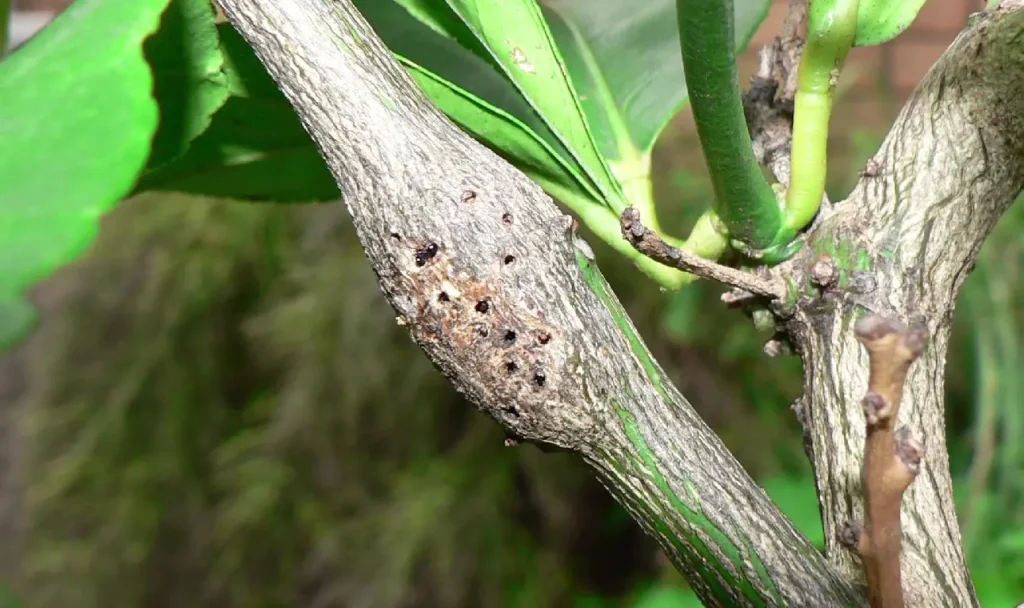
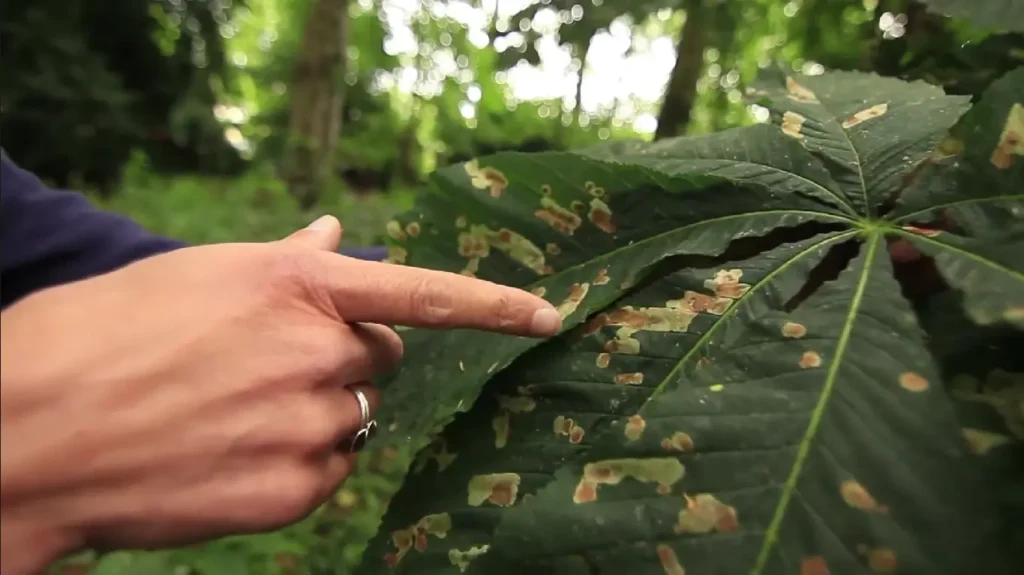
Cooler fall temperatures do not eliminate lawn disease problems.
Moisture, humidity, poor air circulation, overwatering, and dense turf can create conditions where certain diseases develop.
Watch for:
- Circular brown patches
- Discolored grass blades
- Thin areas
- Unusual spots on leaves
- Rapid changes in lawn color
- Powdery or unusual growth
Avoid treating a disease without identifying the likely cause.
Fungicides are not always the answer. Proper mowing, watering, drainage, fertilization, and cultural practices can also play an important role in preventing lawn problems.
9. Remove Leaves Regularly
Fall leaves can quickly cover Chattanooga lawns.
A thin layer of leaves may not seem like a problem, but heavy leaf coverage can block sunlight and reduce air circulation.
Wet leaves can also create a damp environment around grass blades.
Remove leaves regularly by:
- Raking
- Mowing and mulching when appropriate
- Using a lawn vacuum
- Blowing leaves into designated collection areas
Do not allow thick layers of leaves to remain on the lawn for long periods.
10. Keep Watering Balanced
Fall usually brings cooler temperatures, but lawns may still need water during dry periods.
The goal is not to keep the soil constantly wet.
Overwatering can contribute to shallow roots, disease problems, and poor soil conditions. Underwatering can cause drought stress and slow recovery.
Water based on actual lawn conditions and weather rather than following the same summer schedule throughout the fall.
Newly overseeded areas need more consistent moisture during germination and early establishment.
Established lawns generally require less frequent watering as temperatures fall.
11. Check Your Soil
Healthy grass starts below the surface.
If your lawn has repeatedly struggled with poor growth, yellow color, thin areas, or weak roots, the problem may be related to the soil.
A soil test can provide useful information about nutrient levels and soil conditions.
Testing can help you avoid adding nutrients that your lawn does not need.
Instead of guessing which fertilizer to use, use soil information to make a more informed lawn care plan.
12. Inspect Irrigation and Drainage
Fall is a good time to check your irrigation system.
Look for:
- Broken sprinkler heads
- Clogged nozzles
- Uneven coverage
- Leaking connections
- Areas receiving too much water
- Areas receiving too little water
Also check areas where water collects after rain.
Poor drainage can contribute to root problems, disease, moss, and weak grass.
Correcting drainage problems can sometimes be more important than adding another lawn treatment.
13. Prepare Your Lawn Equipment
Your lawn equipment also needs attention before winter.
Clean grass and debris from your mower after use. Check the mower blade and have it sharpened when necessary.
You should also inspect:
- Trimmer heads
- Blades
- Air filters
- Spark plugs
- Fuel systems
- Extension cords
- Sprinkler equipment
Proper equipment maintenance can make next year’s lawn care easier.
14. Avoid Common Fall Lawn Care Mistakes
Many lawn problems come from doing too much rather than too little.
Avoid these common mistakes:
Mowing Too Short
Scalping the lawn can stress grass and expose soil.
Overwatering
More water does not always mean healthier grass.
Using Too Much Fertilizer
Excess nutrients can damage grass and create environmental problems.
Ignoring Weeds
Small weed problems can become much harder to manage later.
Skipping Aeration on Compacted Soil
Seed and fertilizer cannot perform properly if compacted soil limits root growth.
Overseeding Without Preparation
Simply throwing seed over thin grass may produce poor results if soil contact and moisture are inadequate.
Leaving Heavy Leaves on the Lawn
A thick layer of leaves can block sunlight and reduce turf quality.
Chattanooga Fall Lawn Care Checklist
Use this quick checklist as you work through your fall lawn maintenance:
- Inspect the lawn for summer damage
- Identify your grass type
- Check for weeds
- Look for disease or insect damage
- Test compacted areas
- Aerate when needed
- Overseed thin tall fescue areas
- Fertilize according to grass type and soil needs
- Continue mowing as needed
- Remove heavy leaf buildup
- Adjust watering as temperatures fall
- Check irrigation coverage
- Inspect drainage
- Maintain lawn equipment
When Should You Hire a Professional Lawn Care Company?
Fall lawn care can involve more than mowing and leaf removal.
If your lawn has recurring weeds, disease, thin grass, compacted soil, or poor growth, identifying the actual cause is important.
A professional lawn care team can evaluate the condition of your turf and recommend treatments based on the grass type, soil, season, and problems affecting your property.
Professional help can be especially useful when you are unsure whether your lawn needs fertilization, aeration, overseeding, weed control, or disease treatment.
Final Thoughts
A healthy lawn next spring starts with the work you do this fall.
For Chattanooga homeowners, fall is an important opportunity to repair summer damage, improve soil conditions, control weeds, support root growth, and prepare the lawn for winter.
The most effective approach is not simply applying more products. It is understanding your grass, soil, weather, and lawn problems and choosing the right treatment at the right time.
With consistent fall lawn care in Chattanooga, TN, your lawn can enter winter healthier and be better prepared for strong growth when warmer weather returns.