Winter Lawn Care Tips for Chattanooga: Protecting Dormant Bermuda & Green Fescue
Winter in Chattanooga, Tennessee, can be challenging for homeowners who want to maintain a healthy, attractive lawn. Cold temperatures, occasional frost, wet soil, and shorter days can affect grass growth and overall lawn health. However, the right winter lawn care routine can protect your grass and prepare it for a healthier growing season in spring.
The key is understanding how different grass types respond to cold weather. Bermuda grass typically turns brown and becomes dormant during winter, while tall fescue can remain green throughout much of the season. Each grass type needs a different approach to watering, mowing, fertilization, and maintenance.
In this guide, we will explain practical winter lawn care tips for Chattanooga homeowners, including how to protect dormant Bermuda grass, maintain green fescue, prevent winter lawn damage, and prepare your yard for spring.
Why Winter Lawn Care Matters in Chattanooga, TN
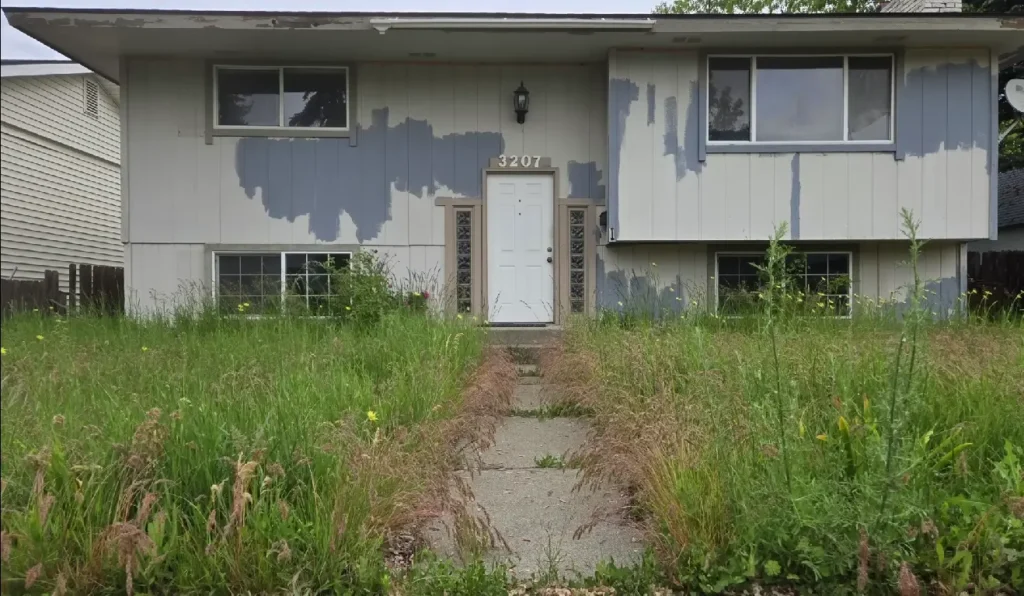
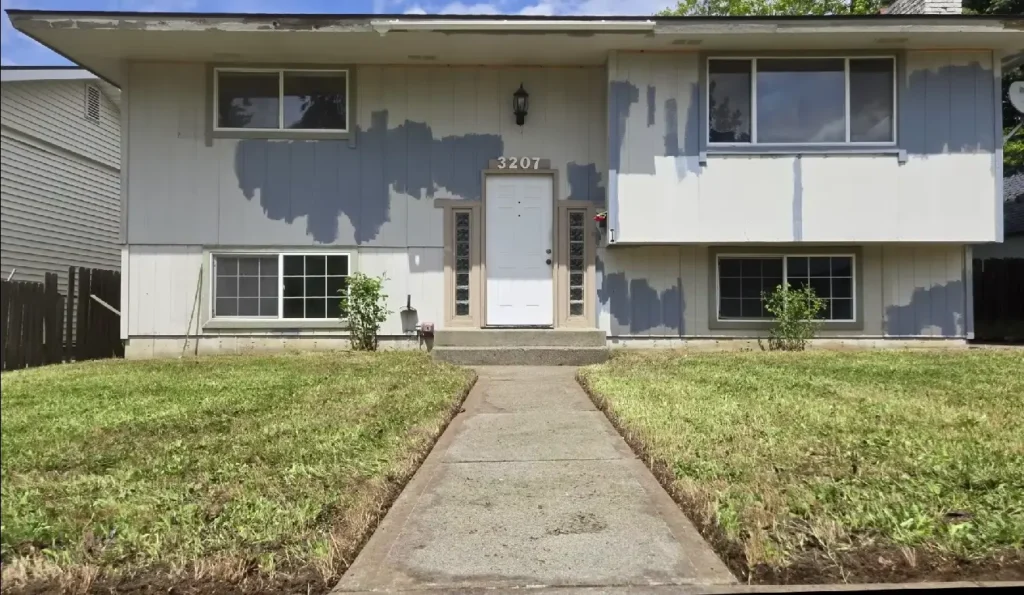
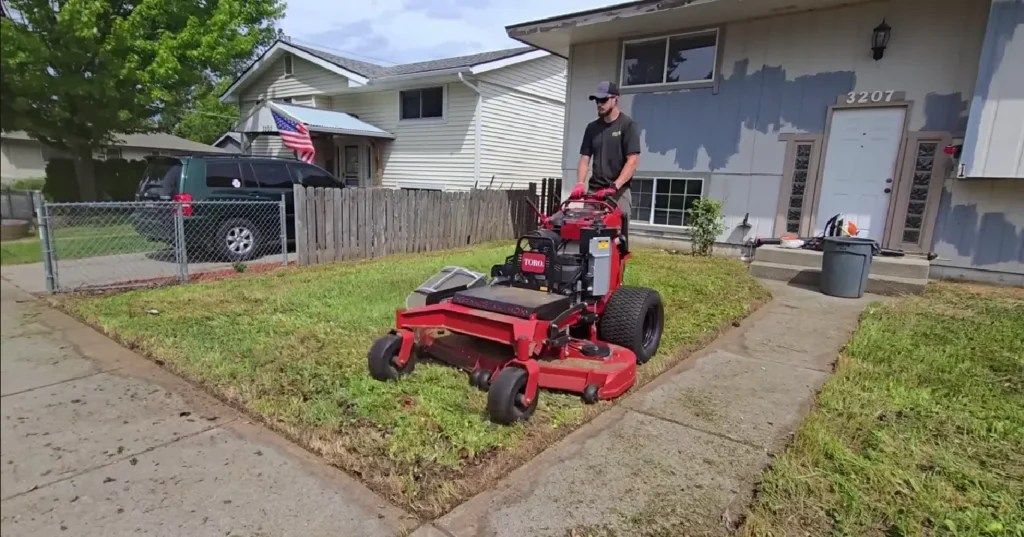
Chattanooga has a humid subtropical climate, with warm summers, cool winters, and occasional freezing temperatures. These seasonal changes can affect lawns in several ways.
Cold weather slows grass growth, while excess moisture can contribute to soil compaction and certain lawn diseases. Frost can also damage grass when people walk across frozen turf. In addition, fallen leaves and poor drainage may create problems if they are left unmanaged.
Winter lawn care is not about making grass grow faster. Instead, it focuses on protecting existing grass, reducing stress, and maintaining healthy soil until warmer weather returns.
A few simple maintenance steps can help prevent unnecessary damage and support stronger growth in spring.
1. Understand the Difference Between Bermuda Grass and Fescue
Before choosing a winter lawn care routine, identify which type of grass grows in your yard. Bermuda grass and tall fescue respond differently to Chattanooga’s winter weather.
Bermuda Grass: Protecting Dormant Turf
Bermuda grass is a warm-season grass that thrives during hot weather. As temperatures drop in fall and winter, it naturally slows down and enters dormancy. Its green color gradually changes to brown or tan.
This color change is normal and does not necessarily mean your lawn is dead.
To protect dormant Bermuda grass:
- Avoid heavy foot traffic when the lawn is frosty or frozen.
- Remove fallen leaves regularly to prevent grass from being smothered.
- Avoid unnecessary mowing when grass growth has stopped.
- Keep vehicles and heavy equipment off the lawn.
- Monitor drainage to prevent standing water around the roots.
- Avoid applying nitrogen fertilizer during winter dormancy.
Bermuda grass usually begins greening up when temperatures rise consistently in spring. Avoid aggressive maintenance too early, because cold weather can delay recovery.
Tall Fescue: Maintaining Green Grass in Winter
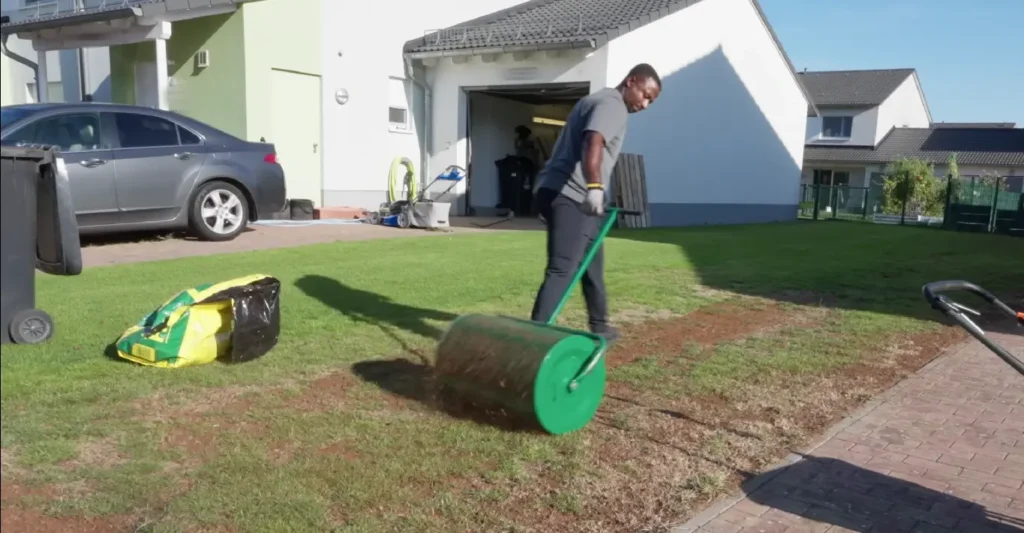

Tall fescue is a cool-season grass that can remain green through much of Chattanooga’s winter. It grows most actively during cooler weather, particularly in fall and spring.
Although fescue tolerates cooler temperatures, it can still suffer from frost damage, disease, poor drainage, and excessive foot traffic.
To maintain healthy winter fescue:
- Mow when the grass is actively growing and conditions are suitable.
- Keep the lawn free of thick layers of fallen leaves.
- Water only when needed and when the soil is not frozen.
- Avoid overwatering during cool, damp weather.
- Watch for discolored patches that may indicate disease.
- Use a suitable winter fertilization plan based on soil conditions and local recommendations.
Remember that green grass does not automatically mean it needs fertilizer or extra water. Proper maintenance depends on growth, weather, and soil conditions.
2. Remove Fallen Leaves and Lawn Debris

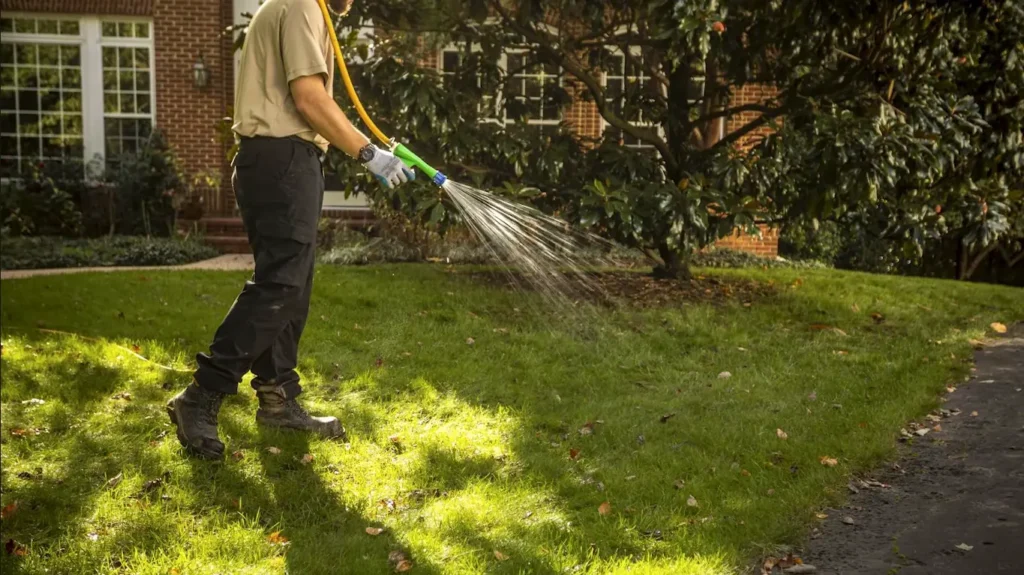
One of the easiest winter lawn care tasks is removing fallen leaves. Chattanooga’s autumn weather can leave lawns covered with leaves from surrounding trees.
A thin scattering of leaves is usually manageable, but a thick, wet layer can block sunlight and restrict airflow. This creates conditions that may encourage lawn diseases and weaken grass.
Use a leaf rake or lawn mower with a suitable mulching setting to manage leaves. If you mulch them, make sure the pieces are small enough to settle between the grass blades rather than forming a thick layer.
Remove fallen branches, heavy debris, and other materials that may damage the turf. Pay particular attention to shaded areas, where leaves and moisture can remain for longer periods.
Regular cleanup helps both dormant Bermuda grass and green fescue survive winter in better condition.
3. Adjust Your Mowing Routine for Winter
Grass grows more slowly during winter, so mowing requirements change with the season. Continuing a summer mowing schedule can create unnecessary stress.
Winter Mowing Tips for Bermuda Grass
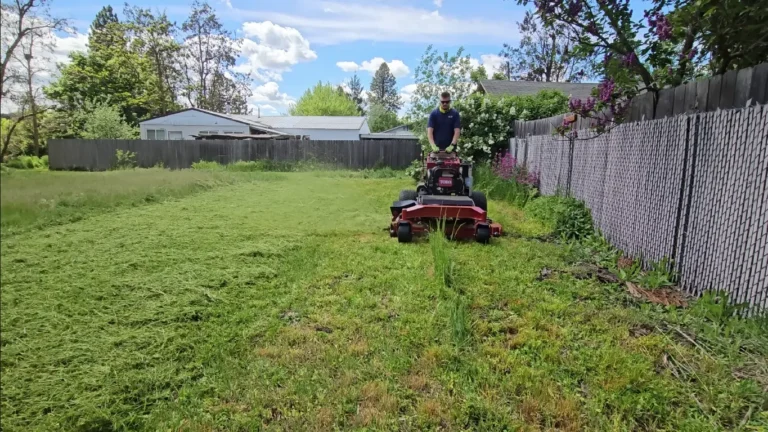
Once Bermuda grass becomes fully dormant, regular mowing is generally unnecessary. If weeds or other vegetation grow above the dormant turf, mow only when conditions allow and avoid cutting into the soil.
Do not scalp dormant Bermuda grass in an attempt to encourage early spring growth. Cutting too aggressively can expose the soil and crowns to additional stress.
Winter Mowing Tips for Fescue
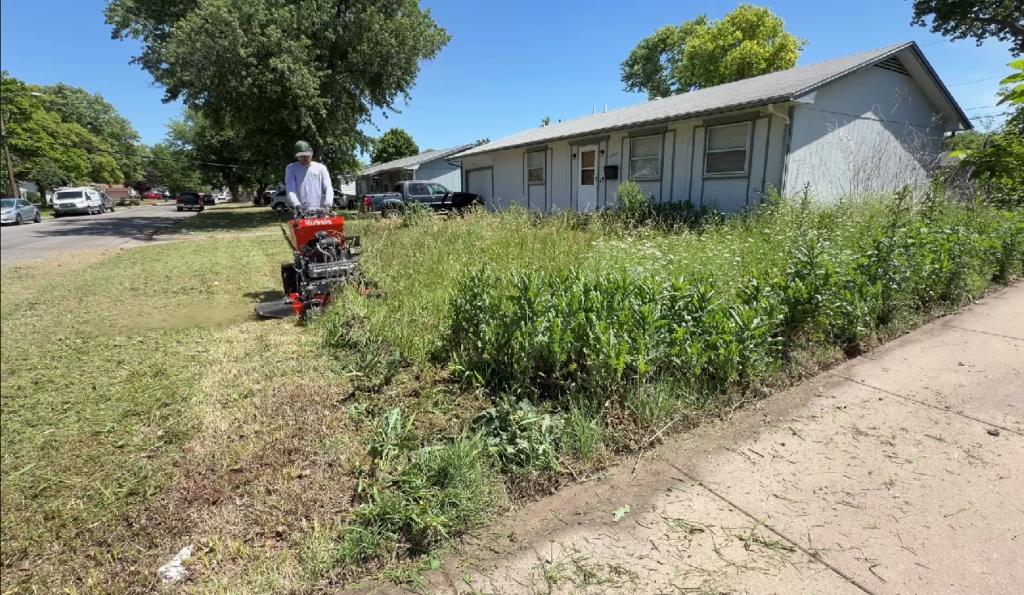

Tall fescue may continue growing during mild winter periods. If it becomes too tall, mow when the lawn is dry and the soil is firm.
Follow the recommended mowing height for your specific fescue lawn, and avoid removing more than one-third of the grass blade in a single mowing.
Never mow frozen or heavily saturated turf. Doing so can damage grass blades, compact the soil, and leave visible tracks.
The goal is to maintain an appropriate grass height without stressing the lawn.
4. Water Your Lawn Carefully During Winter
Winter watering is different from summer watering. Cooler temperatures reduce evaporation, and rainfall may provide much of the moisture your lawn needs.
Overwatering can create problems, particularly in areas with heavy clay soil or poor drainage.
Follow these winter watering guidelines:
- Check recent rainfall before turning on your irrigation system.
- Water only when the soil is dry enough to need additional moisture.
- Choose a mild period when the ground is not frozen.
- Water early in the day when conditions allow moisture to drain and foliage to dry.
- Avoid creating puddles or leaving water standing on the lawn.
- Check irrigation equipment for leaks or damaged sprinkler heads.
Dormant Bermuda grass generally needs less water than it does during active summer growth. Established fescue may need occasional watering during extended dry periods, but its requirements depend on soil moisture and weather.
If your lawn is already receiving sufficient rainfall, additional watering may be unnecessary.
5. Avoid Applying the Wrong Fertilizer
Fertilization is one of the most important parts of seasonal lawn care, but applying the wrong product at the wrong time can cause problems.
Bermuda grass and tall fescue have different growth cycles, so they should not automatically receive the same winter treatment.
Fertilizing Bermuda Grass
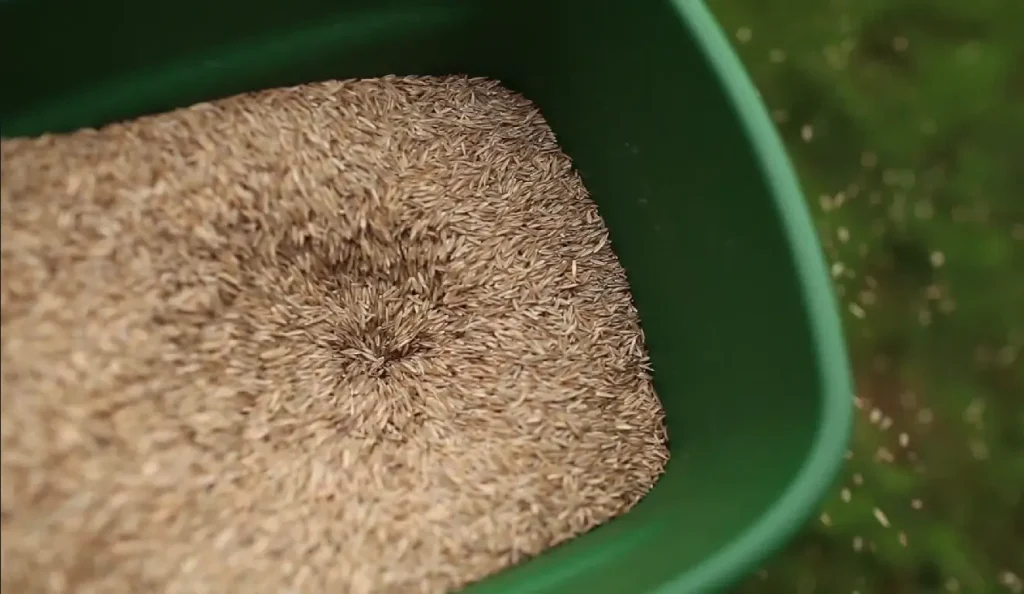
Avoid applying nitrogen fertilizer to fully dormant Bermuda grass during winter. The grass cannot use nutrients efficiently while growth is inactive, and unnecessary applications can encourage weeds or contribute to nutrient runoff.
For most Bermuda lawns in Chattanooga, the main fertilization period is during active warm-season growth, following local soil-test recommendations.
Fertilizing Tall Fescue
Tall fescue typically benefits from a well-planned fall fertilization program. Additional winter applications should depend on the lawn’s condition, recent fertilizer history, soil test results, and local extension recommendations.
Avoid excessive nitrogen applications, especially when heavy rain is expected or the lawn is not actively growing.
A soil test can help determine whether your lawn needs nutrients and prevent unnecessary spending on fertilizer.
6. Prevent Winter Lawn Diseases
Cool, damp conditions can encourage certain lawn diseases, especially in fescue lawns. One common concern is brown patch, which can develop during warm, humid periods and may remain noticeable when conditions change.
Some winter lawn problems are caused by disease, while others result from poor drainage, mowing damage, or natural dormancy.
Watch for warning signs such as:
- Circular or irregular brown patches in otherwise green grass.
- Yellowing or thinning areas that continue to spread.
- Grass blades with unusual spots or discoloration.
- Areas that remain wet long after rainfall.
- Patches that fail to recover as the weather improves.
To reduce disease risks, remove heavy leaf cover, avoid excessive watering, improve drainage where practical, and prevent unnecessary nitrogen applications.
Do not apply fungicides automatically whenever you see brown grass. First determine whether the problem is disease, seasonal dormancy, or another maintenance issue. A lawn care professional can help identify the cause and recommend appropriate treatment.
7. Protect Your Lawn From Frost and Heavy Foot Traffic
Frost is a normal part of winter in Chattanooga, but frozen grass can be more vulnerable to physical damage.
Walking or driving over frosty turf can break grass blades and leave visible tracks. Repeated traffic may also damage already stressed areas.
Protect your lawn by following these simple precautions:
- Keep foot traffic to a minimum when grass is frozen.
- Avoid parking vehicles on the lawn.
- Keep heavy equipment away from wet or frozen areas.
- Use established pathways whenever possible.
- Allow the grass to thaw before mowing or performing maintenance.
These steps are especially useful for lawns with dormant Bermuda grass, although fescue can also suffer damage from heavy traffic during freezing conditions.
If your lawn has areas where people frequently walk, consider adding stepping stones or a permanent walkway to reduce repeated wear.
8. Manage Weeds Before They Become a Bigger Problem
Winter weeds can become noticeable when warm-season grass turns brown and stops growing. Common winter annual weeds may include chickweed, henbit, and annual bluegrass, depending on the site and local conditions.
Fescue lawns can also develop weed problems during cooler weather.
The best approach depends on the grass type and the weeds present. Identify the weed before choosing a treatment, because some herbicides can damage desirable grass.
Helpful weed prevention practices include:
- Maintaining healthy, appropriately dense turf.
- Removing small weeds by hand when practical.
- Following the correct seasonal timing for pre-emergent herbicides.
- Using only products labeled for your grass type and intended application.
- Following label instructions and local environmental requirements.
Pre-emergent products are most effective when applied before target weed seeds germinate. Timing varies by weed species and weather, so a calendar date alone is not always reliable.
If you are unsure which weeds are growing in your yard, professional identification can help prevent unnecessary or incorrect treatments.
9. Improve Drainage and Prevent Soil Compaction
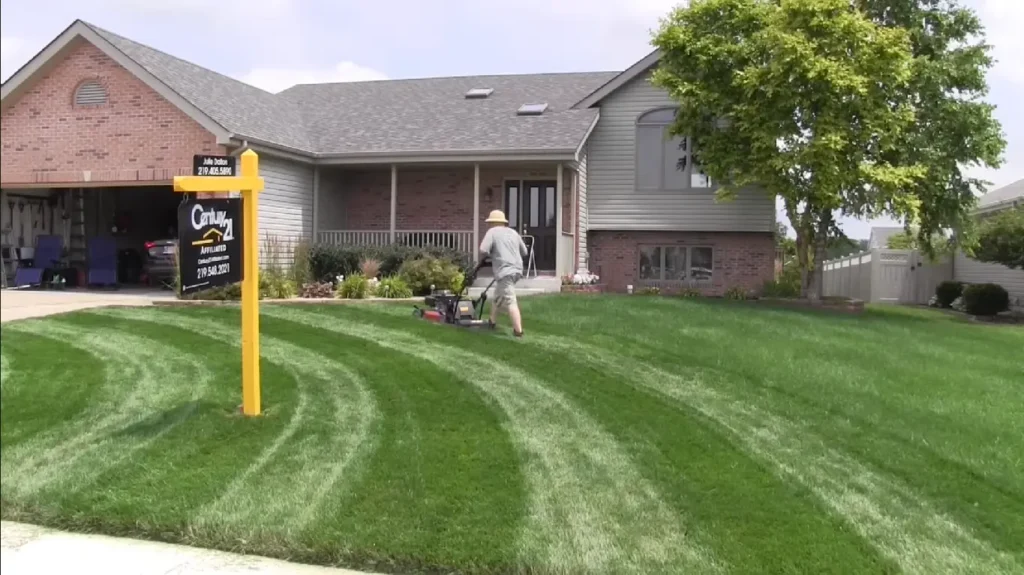

Winter rainfall can leave some Chattanooga lawns soggy, particularly where the soil contains substantial clay or the yard has low-lying areas.
Excess water reduces the amount of oxygen available to roots and can increase the risk of turf damage. Walking on saturated soil can also compact it, making it harder for water and air to move through the ground.
To improve winter lawn conditions:
- Clear leaves and debris from drainage channels.
- Check for areas where water repeatedly pools.
- Redirect downspouts away from vulnerable lawn sections where appropriate.
- Avoid walking or using machinery on saturated soil.
- Address persistent drainage problems before they cause extensive damage.
Core aeration can help relieve soil compaction, but the ideal timing depends on the grass type. Tall fescue is generally aerated during its active growth periods in fall or spring, while Bermuda grass is typically aerated during active warm-season growth.
Avoid aggressive aeration when the lawn is dormant, frozen, or excessively wet.
10. Prepare Your Lawn for Spring
Winter is a useful time to plan ahead for the next growing season. A few preventive steps can make spring lawn care easier and help you avoid rushed decisions when temperatures rise.
For Bermuda Grass
As spring approaches:
- Check the lawn for drainage issues and winter damage.
- Remove remaining leaves and debris.
- Monitor soil and air temperatures before beginning seasonal treatments.
- Wait for consistent warming before resuming regular mowing and fertilization.
- Plan weed control based on the weeds common to your yard.
Bermuda grass should be allowed to come out of dormancy naturally. Applying fertilizer too early will not reliably force healthy growth if soil temperatures remain too low.
For Tall Fescue
As spring approaches:
- Check for thinning areas and signs of disease.
- Resume mowing as growth increases.
- Water according to rainfall and soil moisture.
- Avoid excessive nitrogen applications.
- Plan repairs for damaged areas using the appropriate grass seed and timing.
Spring is also a good time to review whether your lawn needs professional weed control, soil testing, or improvements to drainage.
Common Winter Lawn Care Mistakes to Avoid
Even well-maintained lawns can suffer when seasonal care is not adjusted for winter conditions.
Avoid these common mistakes:
1. Treating brown Bermuda grass as dead grass.
Bermuda naturally turns brown during dormancy. Wait for suitable spring conditions before deciding whether the lawn needs repair.
2. Overwatering during cold weather.
Excess moisture can contribute to drainage problems and turf disease.
3. Fertilizing without checking the grass type.
Bermuda and fescue have different nutrient requirements and growth cycles.
4. Mowing frozen grass.
Frozen blades can be damaged by mowing and heavy foot traffic.
5. Leaving thick layers of leaves on the lawn.
Heavy leaf cover can block sunlight and trap moisture.
6. Applying weed treatments without identifying the grass.
Some products may damage desirable turf if used incorrectly.
7. Ignoring standing water.
Persistent puddles can indicate drainage problems that deserve attention before spring growth begins.
Avoiding these mistakes helps protect your lawn and reduces the need for unnecessary treatments.
When Should You Hire a Professional Lawn Care Service?
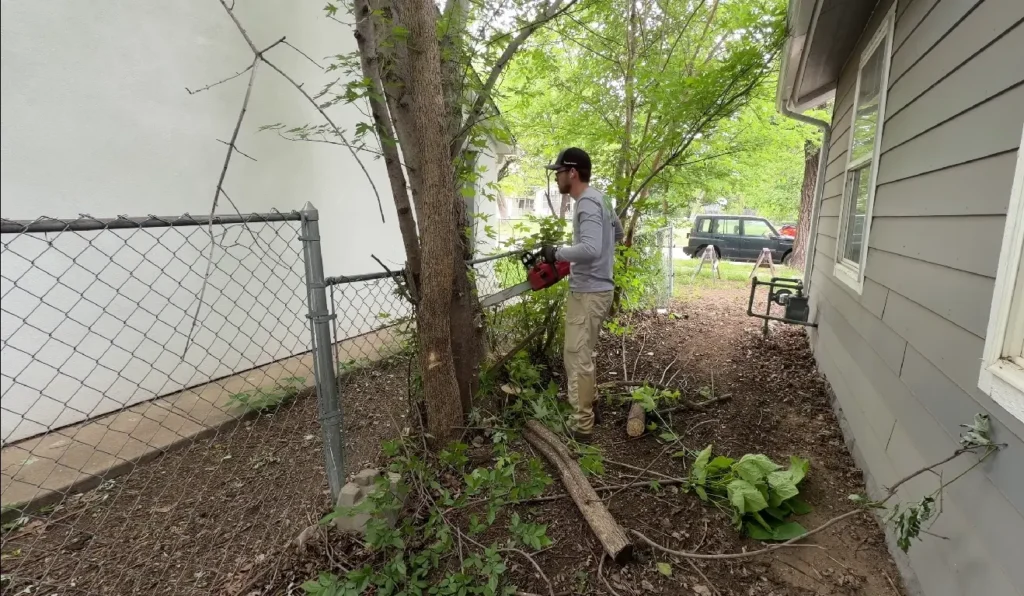

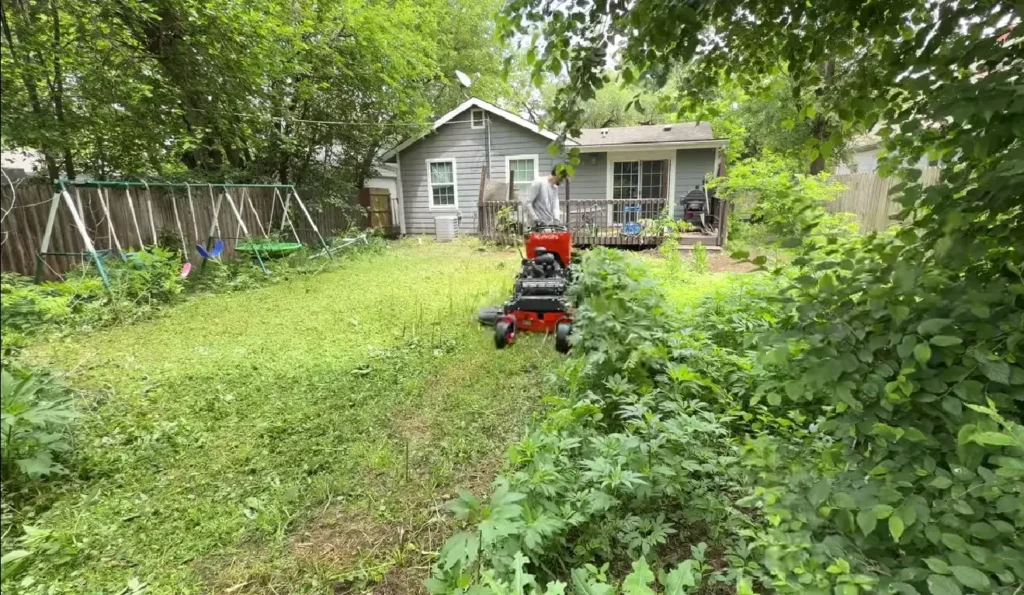
Some winter lawn care tasks are easy to manage yourself, but persistent problems may require professional attention.
Consider professional lawn care if you notice:
- Repeated standing water or poor drainage.
- Large areas of thinning or discolored grass.
- Persistent winter weeds.
- Possible fungal disease.
- Uncertainty about fertilizer or herbicide selection.
- Bermuda grass that does not recover as expected in spring.
- Fescue that continues to decline despite appropriate maintenance.
A professional lawn care provider can identify the grass type, assess the soil and drainage, and recommend a seasonal maintenance plan suited to your property.
For homeowners in Chattanooga, a local service can also account for changing weather patterns and the specific needs of lawns across the surrounding area.
Final Thoughts
Successful winter lawn care in Chattanooga starts with understanding how your grass responds to cold weather. Dormant Bermuda grass needs protection from excessive traffic, unnecessary fertilizer, and poor drainage. Green tall fescue requires careful mowing, sensible watering, leaf removal, and monitoring for disease.
By following these winter lawn care tips, you can reduce seasonal damage and help your lawn transition into spring in better condition.
Every lawn is different, and the best results come from matching maintenance to your grass type, soil, drainage, and local weather.
Need help protecting your lawn this winter? Lawn Care Chattanooga can help you plan seasonal maintenance, manage weeds, and keep your lawn prepared for the changing Tennessee seasons. Contact our team to discuss your lawn’s needs and arrange a lawn evaluation.